Reviewed by
First-hand Stay
First-hand Stay
Reviewed by
On-site inspection
On-site inspection
Reviewed through
Sources
Sources

Fly to Livingstone (LVI), followed by ~35 min by road to Sindabezi jetty, then ~20 min by boat to Sindabezi Island. Cross-border access from Victoria Falls (VFA) or Kasane also works with road/boat combos.
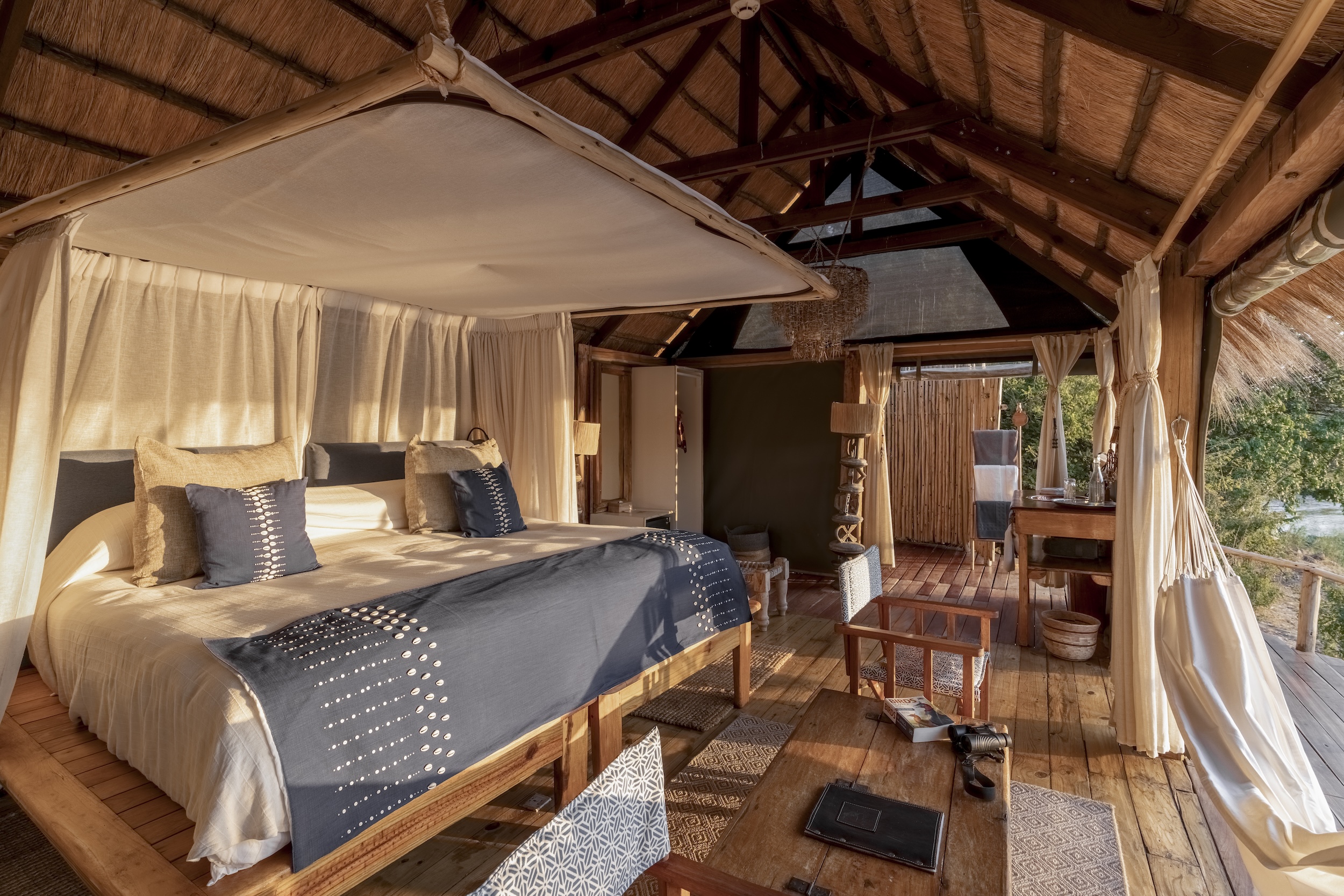
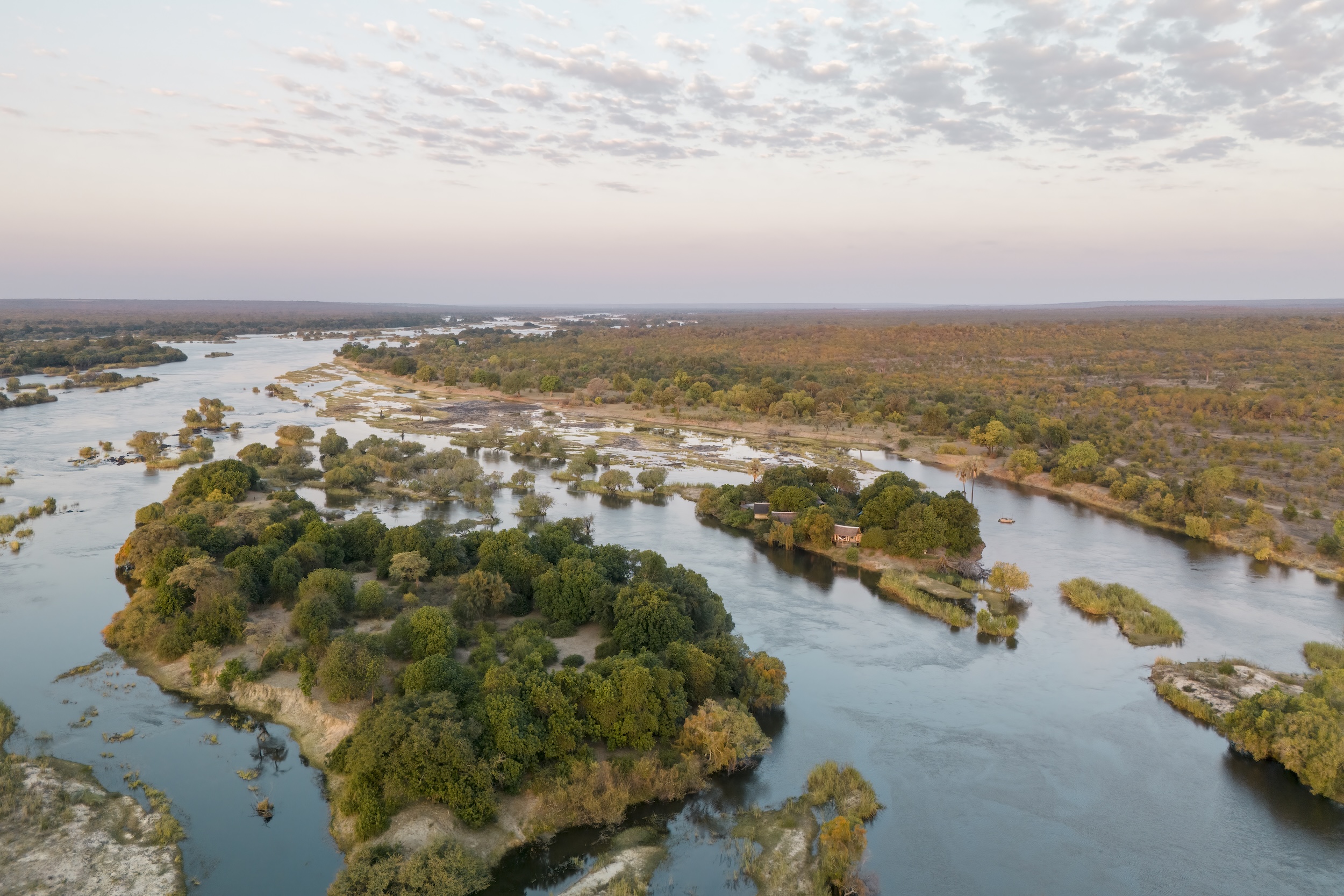
Five en-suite thatched chalets raised a foot above the sand on stilts and tucked privately between the trees, all with open fronts facing the Zambezi, a canopied bed, a sundeck, a hot outdoor shower and a "loo with a view," so nature stays present inside and out. We have stayed here multiple times, and while all chalets have they own charm, we preferred room 1 and 4. Chalet 5 is the honeymoon chalet and comes with a freestanding bathtub and a small private beach.
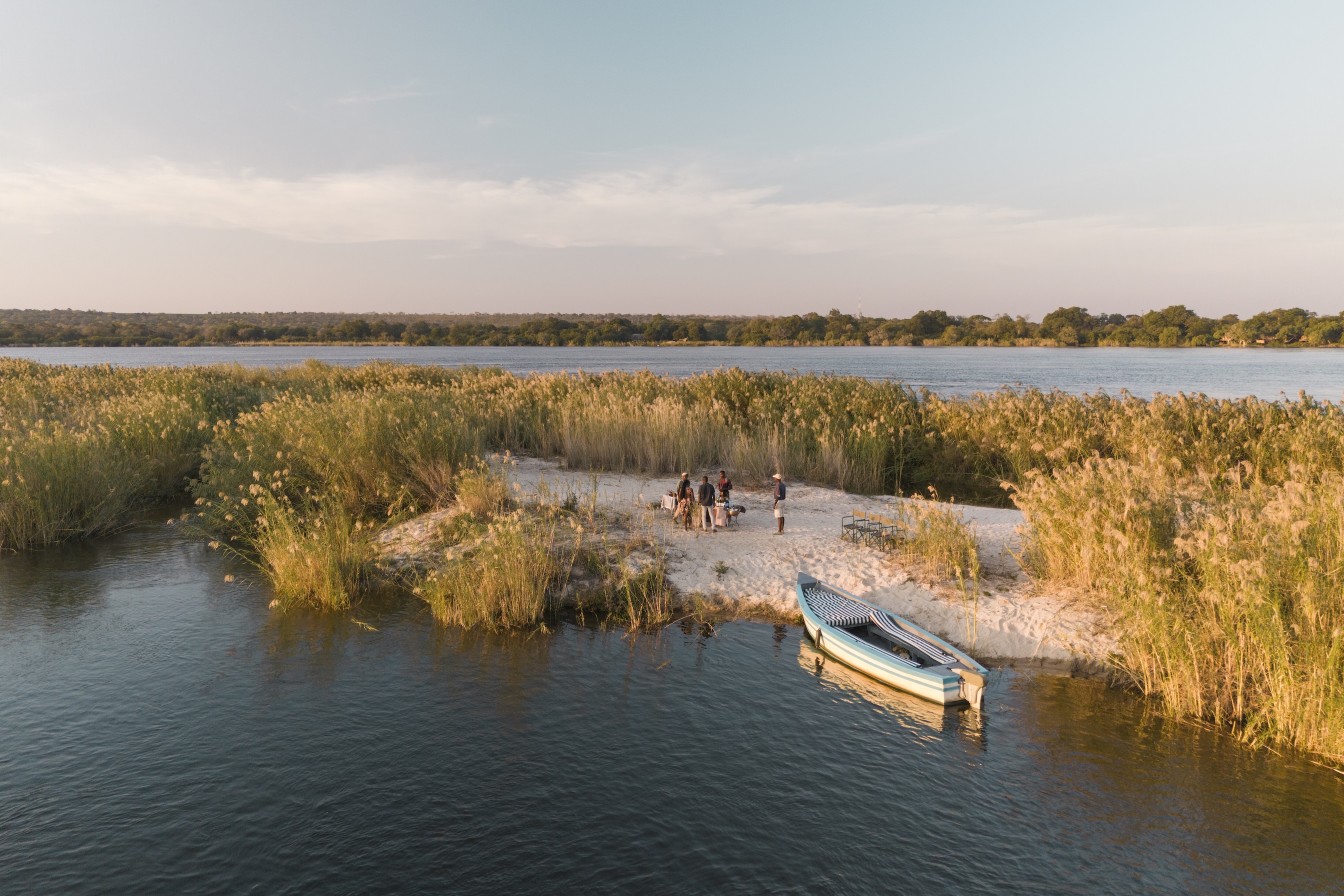
Fresh, unfussy camp cuisine with al-fresco lunches and candlelit dinners; private sandbar or deck set-ups are a highlight. Expect grilled Zambezi bream, river-view breakfasts and flexible timings to fit activities. Fully inclusive meals in true Tongabezi style, plentiful and fresh with vegetables and salads grown at Tongabezi.
Lightweight, neutral bush clothing with a warm layer for cool winter mornings and boat transfers (May–August), closed shoes for walks, swimwear, a sun hat and sunscreen, insect repellent and your antimalarials, a torch or headlamp for the sandy paths after dark, binoculars for the island's birdlife, and a soft bag that's easy to load onto the boat.
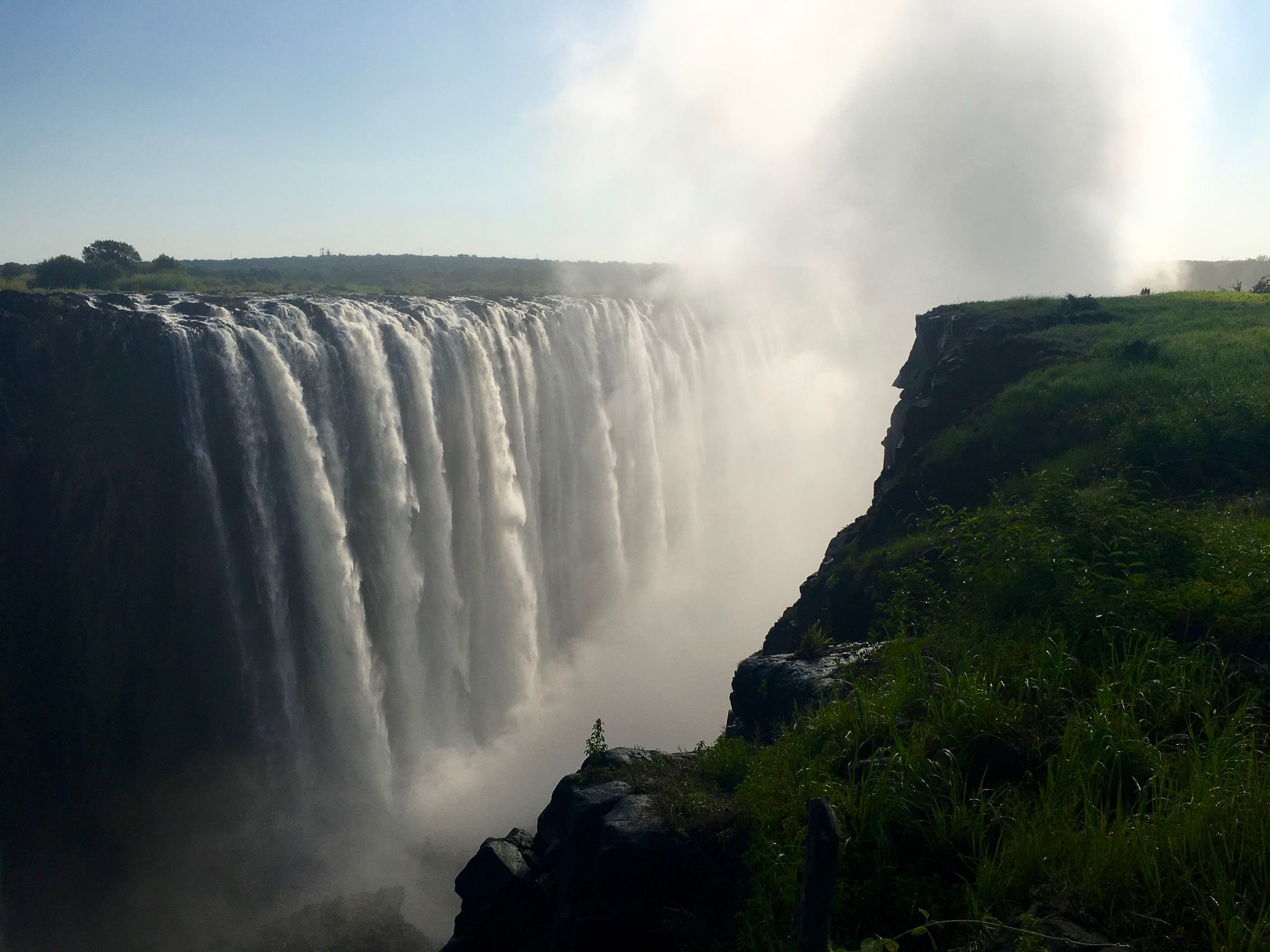
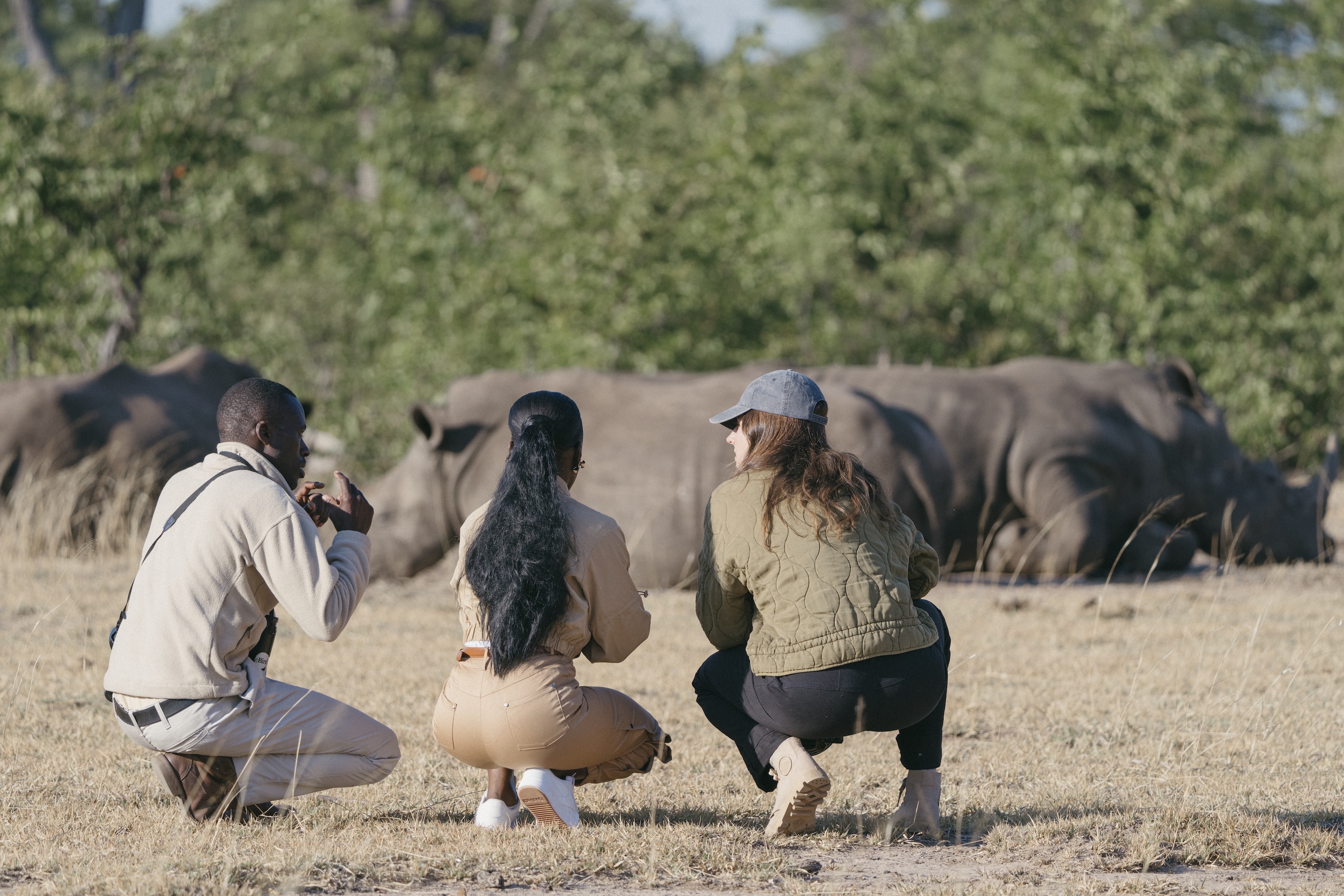
Use Sindabezi to unwind at the start or end of a trip rather than as an activity base, since reaching the falls and mainland adventures means a boat plus a drive, so build in a relaxed couple of nights. Don't miss a sunset cruise on the world's first electric dhow, ask the camp guide to explore the quiet river channels by canoe, and combine with a game drive in Mosi-oa-Tunya National Park to track white rhino.
Sindabezi runs entirely off-grid, leaving only footprints in the sand, and through Green Safaris and the Tongabezi team it backs deep community work, the Tujatane Trust School now teaching 240+ children from surrounding villages, locally guided Simonga village tours that channel funds back into the community, and a jointly run organic farm with the Mukuni community, alongside indigenous tree-planting and the pioneering emission-free electric dhow.