Reviewed by
First-hand Stay
First-hand Stay
Reviewed by
On-site inspection
On-site inspection
Reviewed through
Sources
Sources

Fly to Hoedspruit Eastgate Airport (HDS) on scheduled flights from Johannesburg or Cape Town, then about a 45-minute road transfer to the lodge, alternatively self-drive via the Timbavati Gate (around 3 hours from Nelspruit/KMIA), with roughly 10 km of corrugated dirt before the gate.
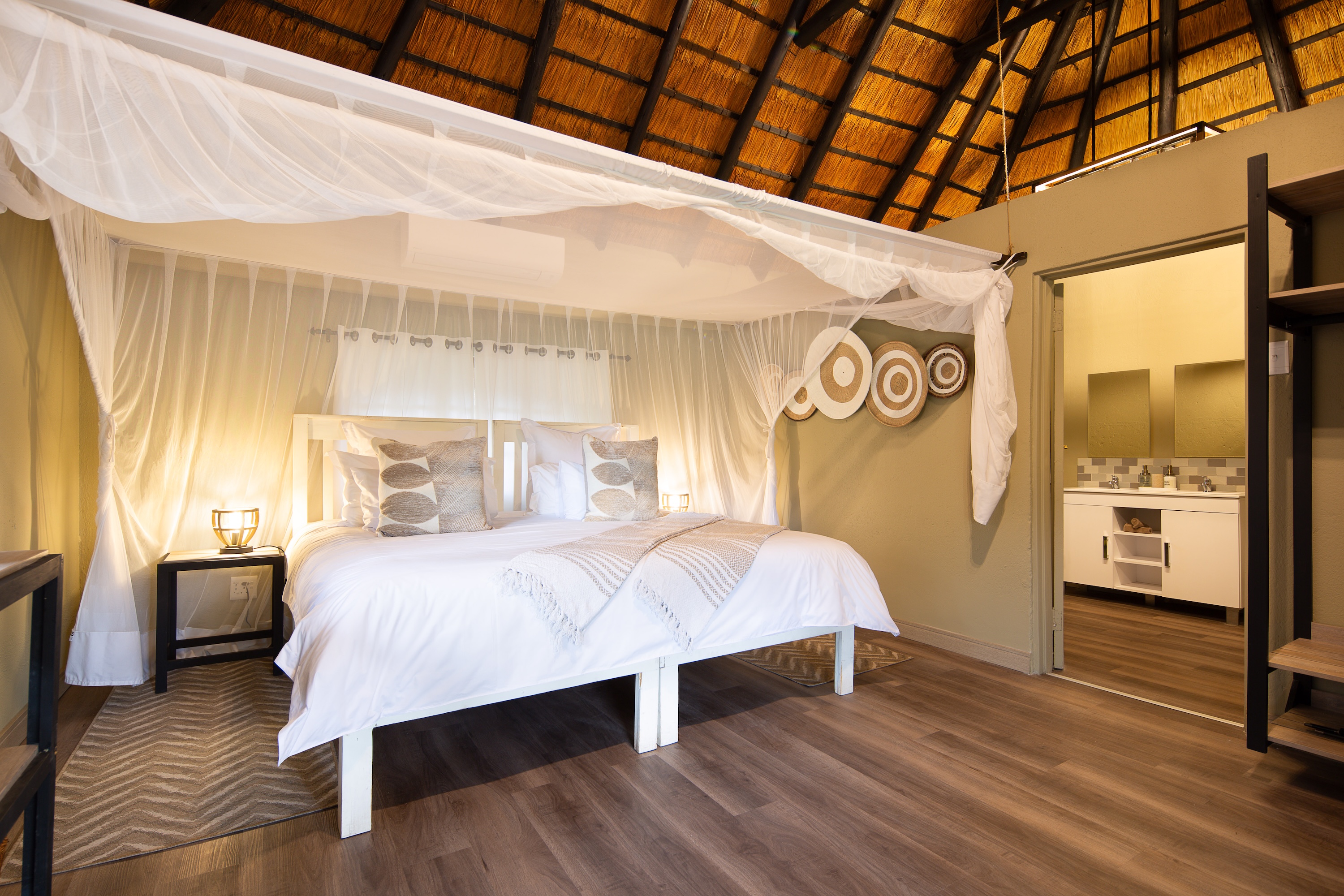
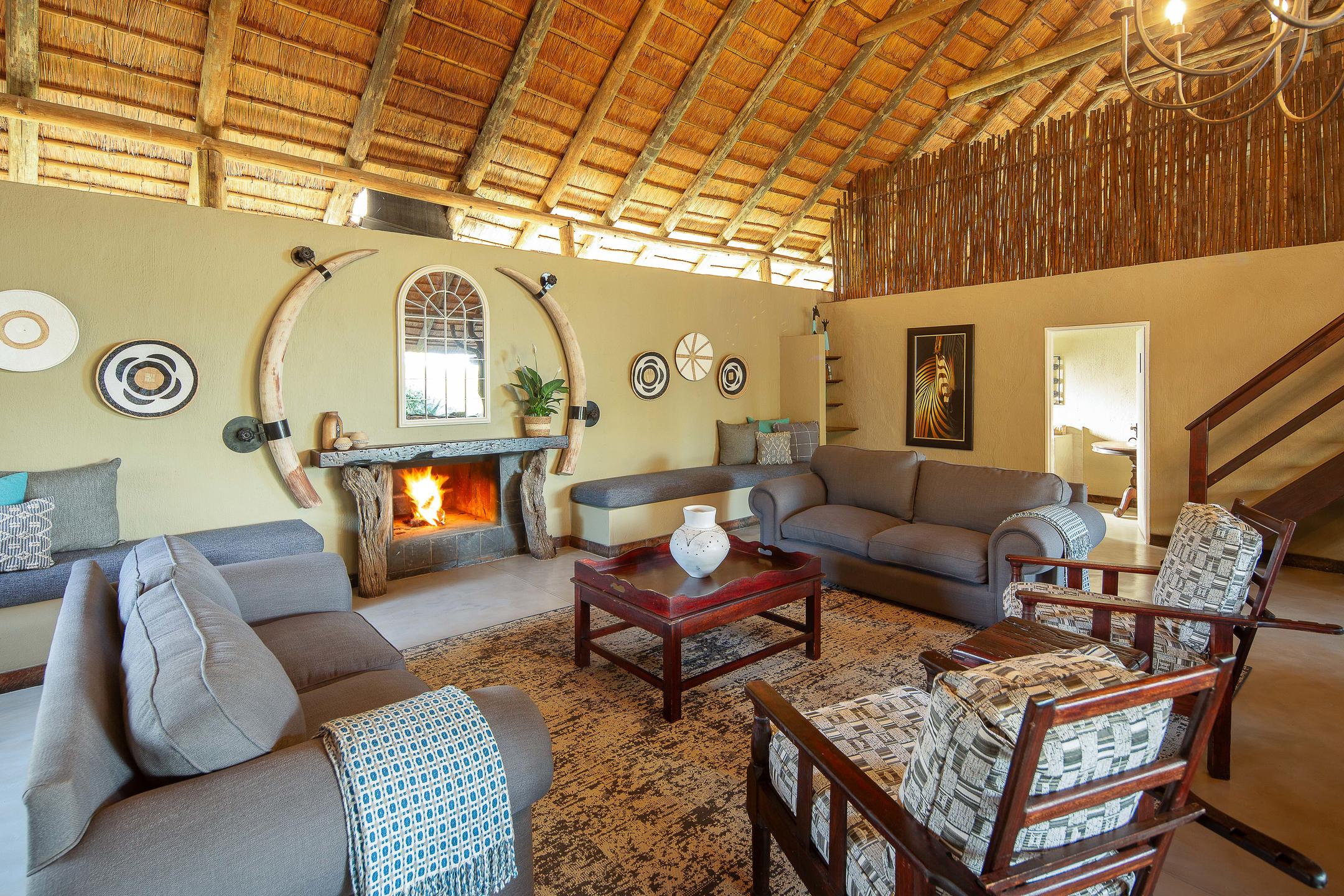
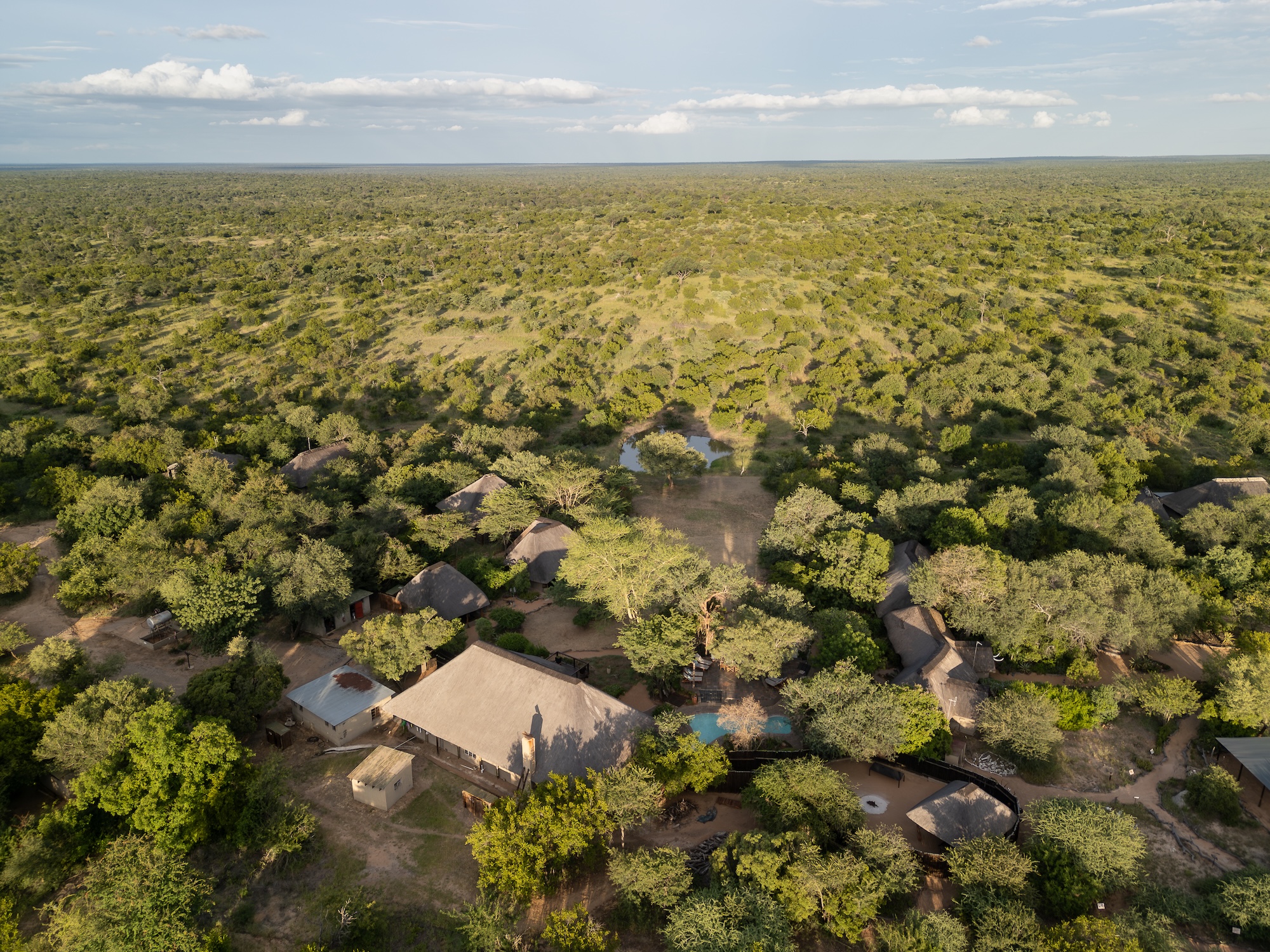
Eight thatched chalets arranged in a semi-circle around the waterhole, each with a four-poster bed under mosquito nets, an en-suite bathroom with both shower and bath, overhead fans, a safe, hairdryer and lantern lighting, and, crucially, a private veranda facing the water where game drinks in full view. Couples take a standard chalet, ideally one with the most central, direct waterhole outlook, while families choose one of the three interleading family units (a two-bedroom family chalet is available). Recently renovated, rustic and comfortable rather than opulent, this is the "exclusive-yet-affordable" end of the Timbavati.
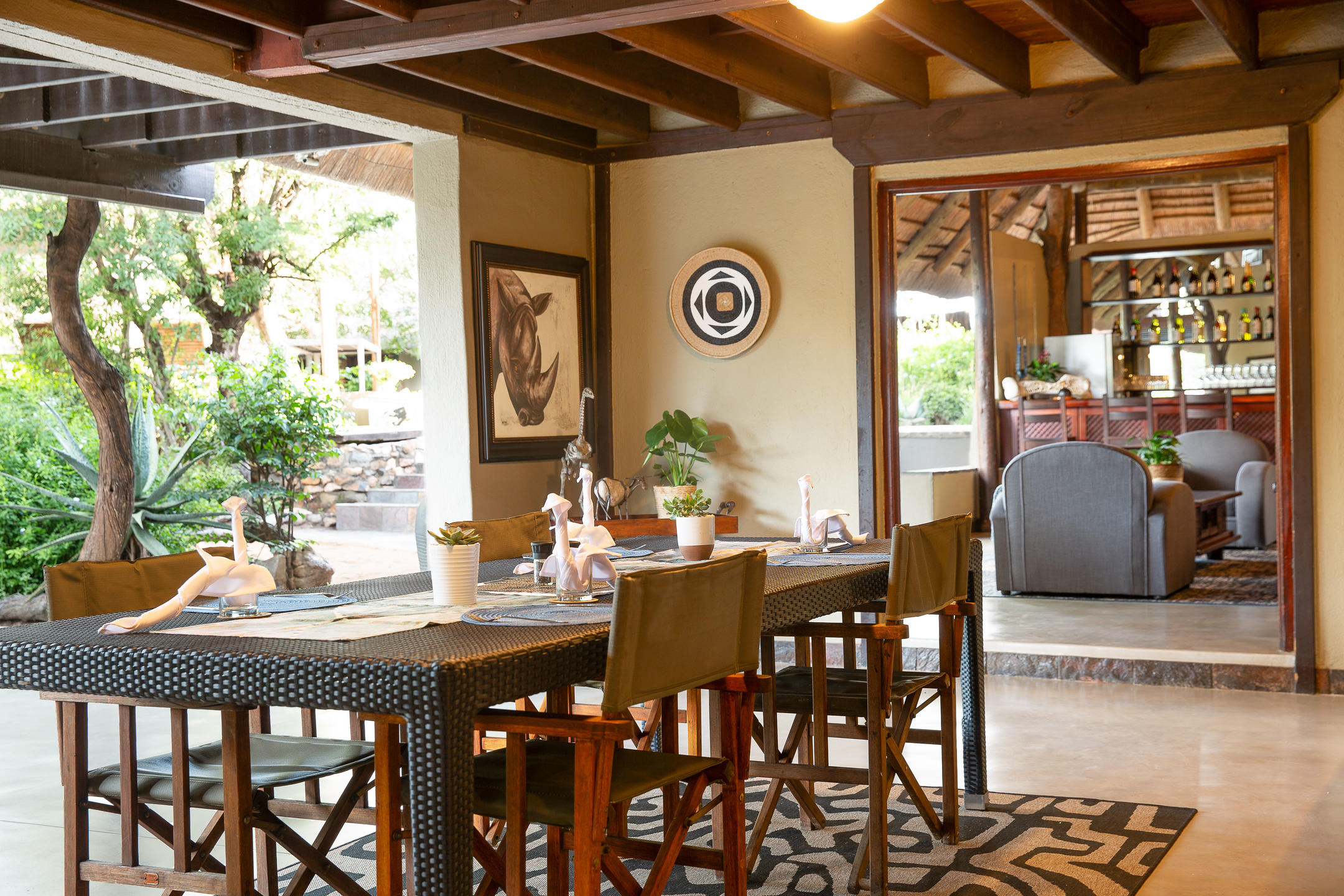
Full board with a warm, home-style feel, brunch beside the pool or on the veranda, high teas, and dinners of local cuisine around the fire in the boma under the stars or out in the bush, with tea, coffee, soft drinks and local wines, beers and spirits included (premium brands extra), and dietary needs happily catered for.
Neutral safari layers with a warm jacket and beanie for cold winter dawn drives in open vehicles (May–August), lighter clothing for hot summers, closed shoes for bush walks, a sun hat, sunscreen and binoculars, insect repellent and antimalarials, swimwear for the pool, and a headtorch, since this is a solar eco-lodge with soft, minimal lighting and lanterns at night.
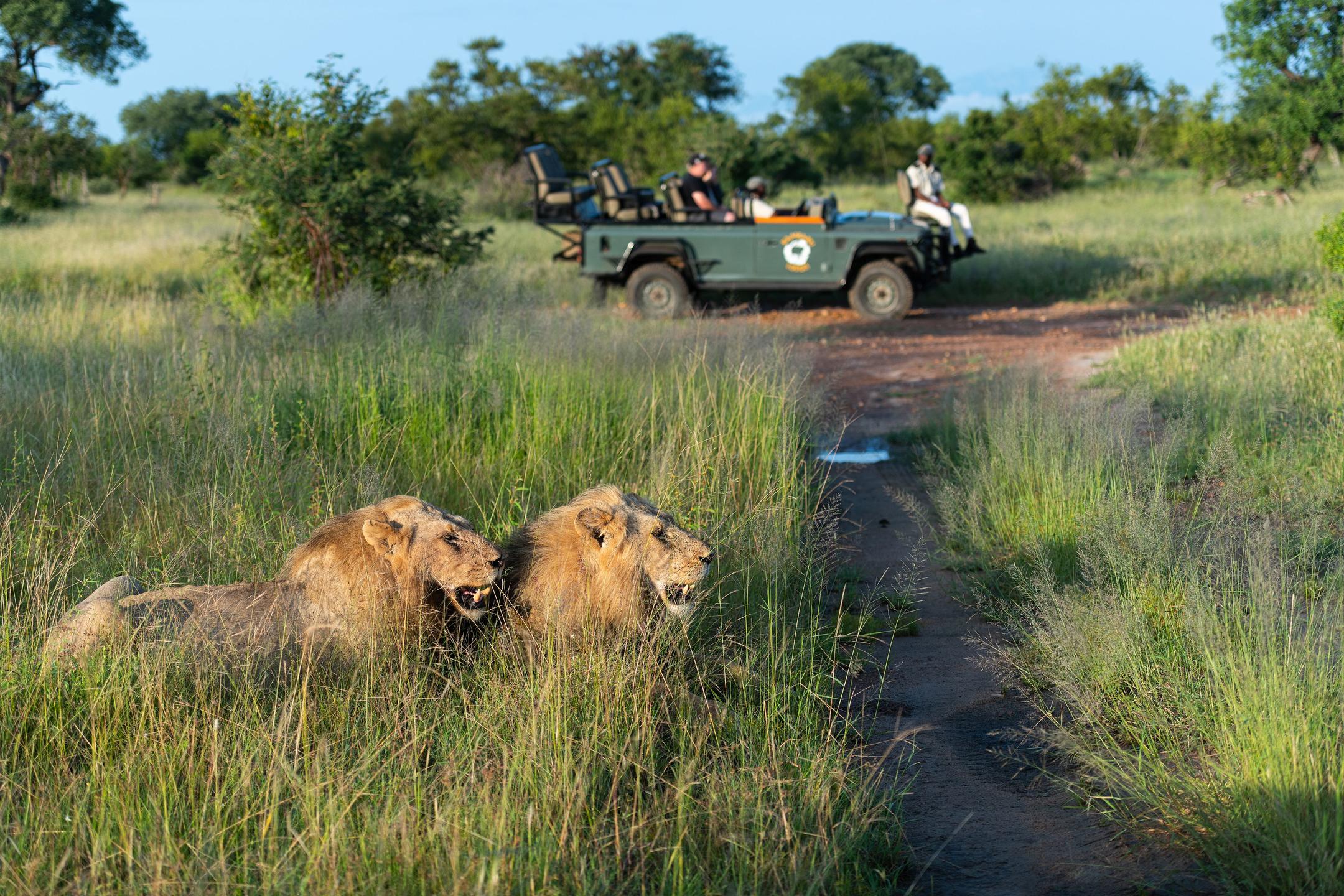
The Timbavati is famous for its white lions, and Kambaku's guides track them alongside the Big Five, wild dog and cheetah, with the off-road traversing and night drives you can't do in Kruger proper.
The lodge runs entirely on solar power via a battery bank, minimising its footprint in the pristine Timbavati, part of the Greater Kruger conservation area whose fences with the national park were removed in 1993 to restore natural wildlife movement. Guest conservation levies fund the reserve's wildlife management and anti-poaching, and the lodge offers community experiences including a Sigagule village walking tour and a visit to the Nourish Eco Village, channelling tourism income into local skills, education and anti-poaching.