Reviewed by
First-hand Stay
First-hand Stay
Reviewed by
On-site inspection
On-site inspection
Reviewed through
Sources
Sources

Fly to Mfuwe International Airport (MFU) on scheduled flights from Lusaka, where the team meets you and flies you in their own aircraft to the Sungani airstrip, a flight of around 20 minutes, followed by a roughly 15-minute drive to Kulandila; alternatively a road transfer of about 3 hours (roughly 70 km) can be arranged.
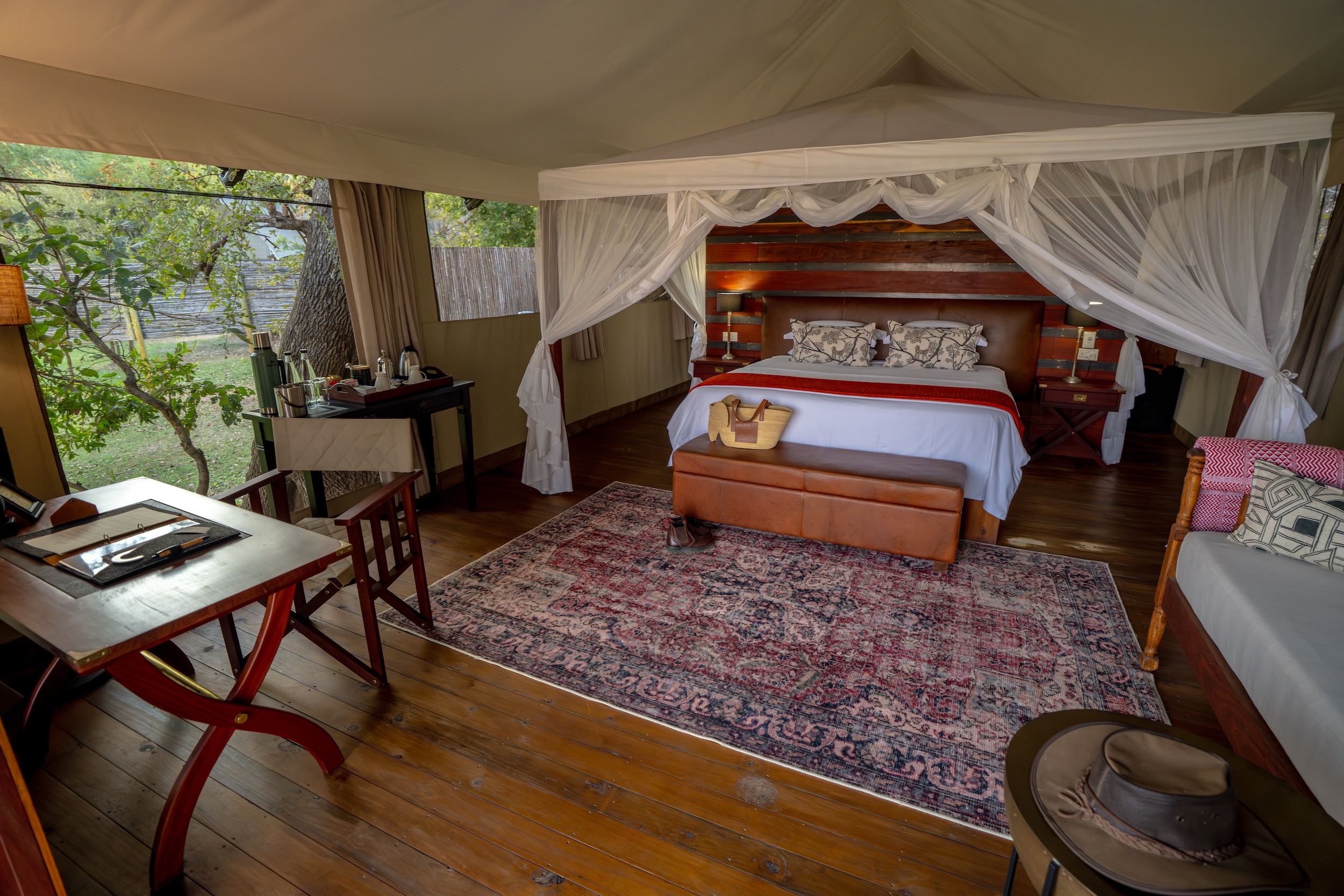
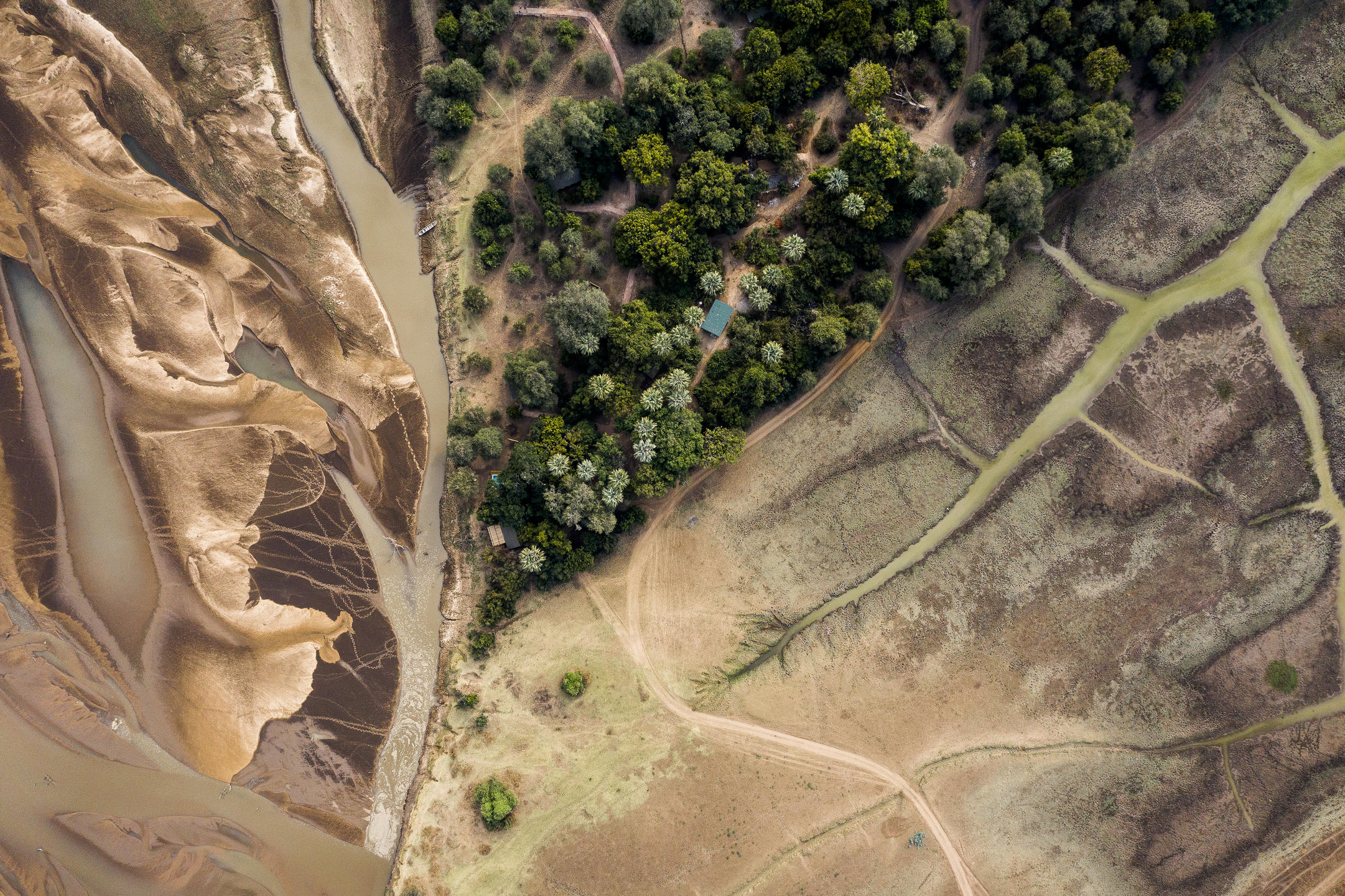
Four spacious traditional safari tents (~460 sq ft) raised on wooden platforms among the Lala palms, linked by pathways to the communal areas, each with white linen, textured cushions and oiled teak furniture, an en-suite bathroom, a private veranda and a lovely outdoor slipper bath positioned to soak in the sights and sounds of the river.
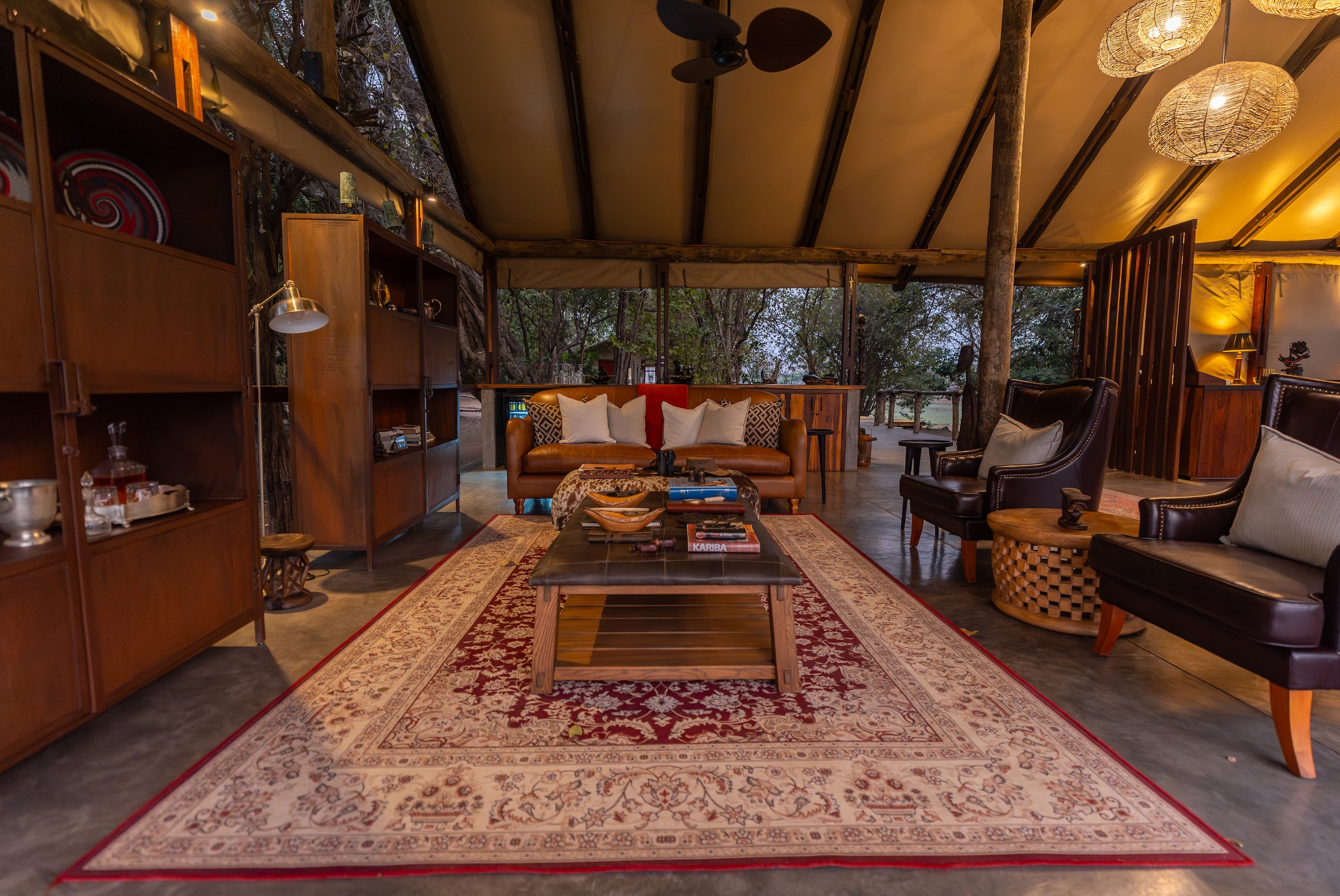
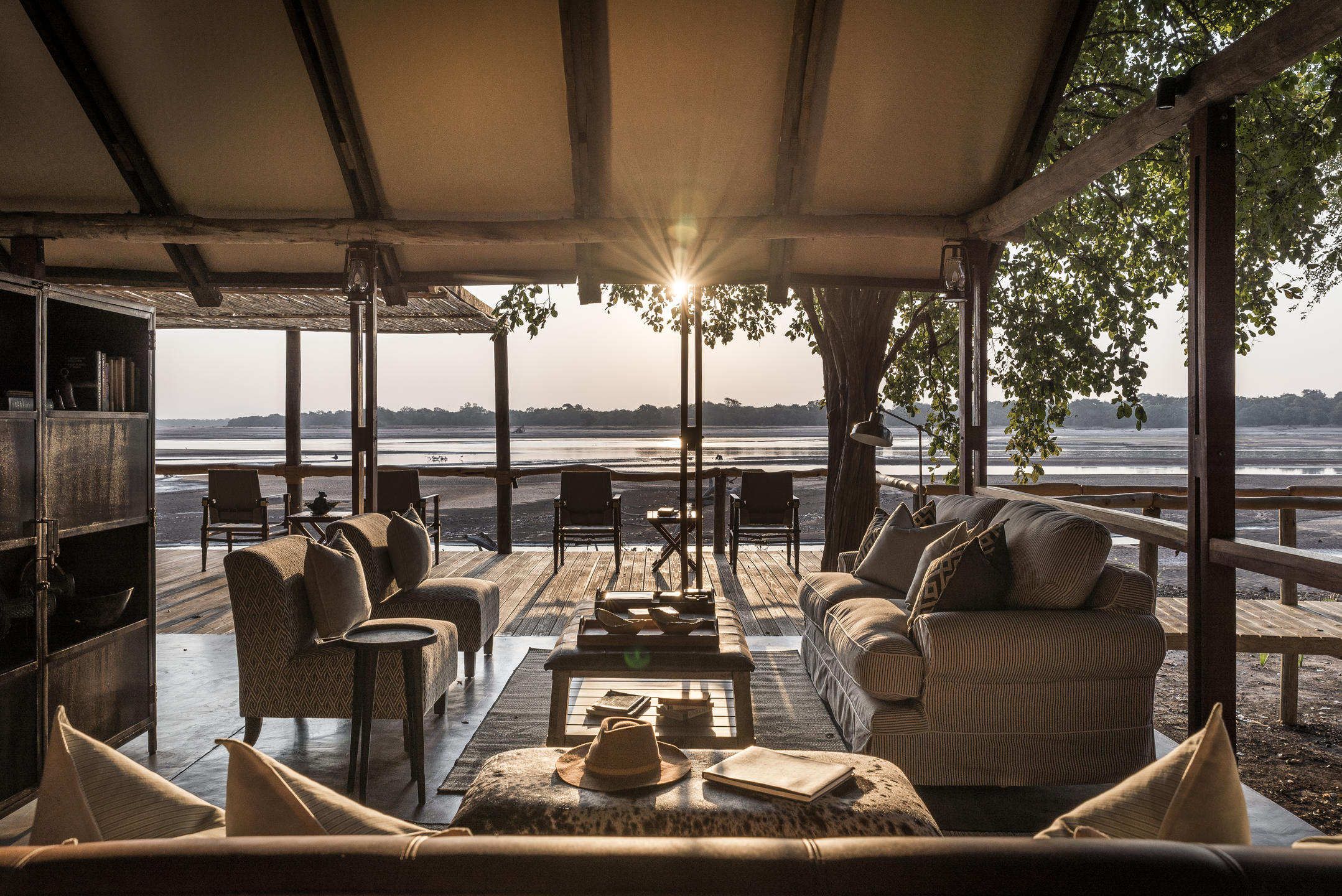
Relaxed, communal, al-fresco safari dining, with comfy living spaces and a cosy bar area in an exquisite main area over the lagoon and river, locally sourced where possible given the remoteness, from cooked breakfasts to lantern-lit dinners under the stars.
Neutral safari clothing with warm layers, a jacket and beanie for crisp pre-dawn winter game drives, lighter clothing for the warmer months (no AC, so breathable fabrics help), closed walking shoes for the walking safaris this park is famous for, a sun hat, sunscreen and binoculars, insect repellent and antimalarials, swimwear for the pool, and camera gear (pro equipment can be hired at sister camp Sungani).
Kulandila is more rustic, communal and relaxed than Sungani, and its trump card is the setting, it's right on the Luangwa River, so the famous river scenes (hippos, elephants crossing) are on your doorstep rather than a drive away. Being in the family's own private concession, you share the area with only the two camps' vehicles, so sightings feel genuinely exclusive. Combine it with sister camp Sungani (the family suggests 2–3 nights at Kulandila and 3–4 at Sungani, five nights is ideal) for the full far-south experience, and note Kulandila closes over the green season (roughly Nov–April), so plan around its shorter operating window.
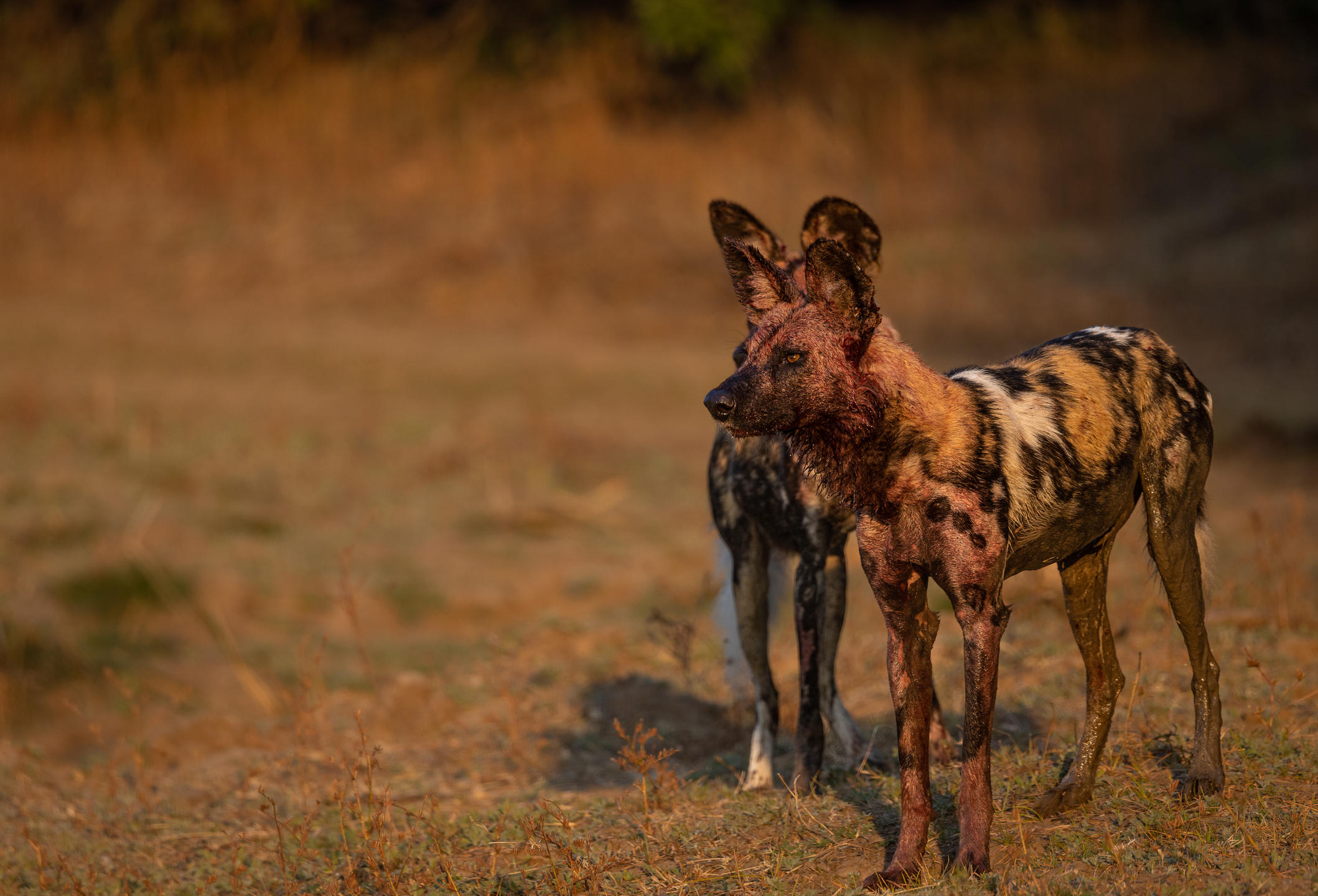
Kulandila and sister lodge Sungani were hand-built from 2019 by the family and local community, transforming a neglected far-southern stretch of the park, cutting roads and firebreaks, fighting poaching and putting many local people into work for the first time. The family runs the concession with a strong conservation focus, and partners with the Zambian Carnivore Programme and Conservation South Luangwa to protect the valley's leopards, wild dogs and lions.