Reviewed by
First-hand Stay
First-hand Stay
Reviewed by
On-site inspection
On-site inspection
Reviewed through
Sources
Sources

Fly into Inhambane Airport (INH) with national carrier LAM, which has daily flights from Maputo (international guests typically route via Maputo or Johannesburg), then it's a complimentary scenic road transfer of about 20 minutes to the villas, the roads are well maintained and no 4×4 is required, so self-driving is also straightforward.
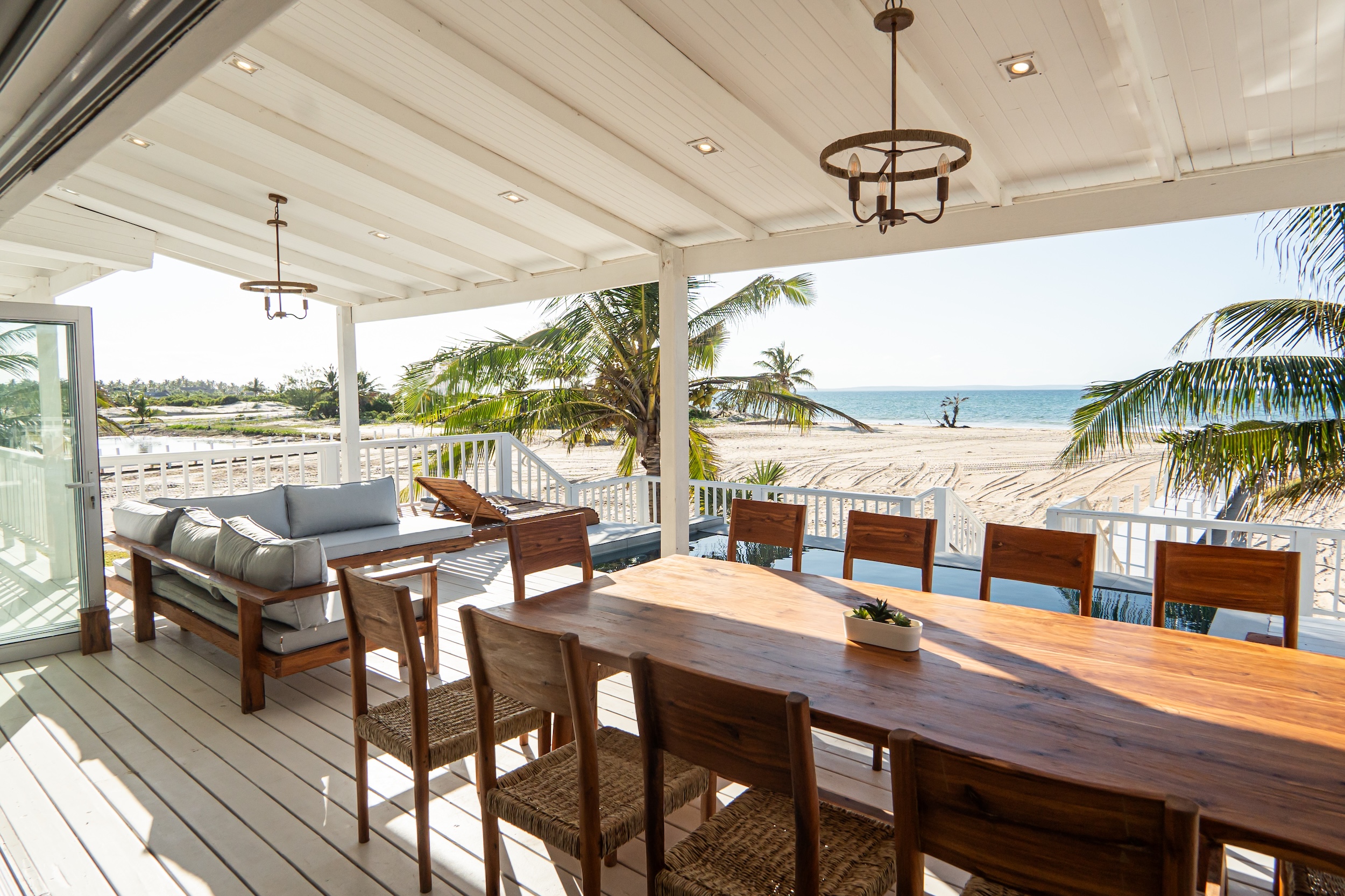
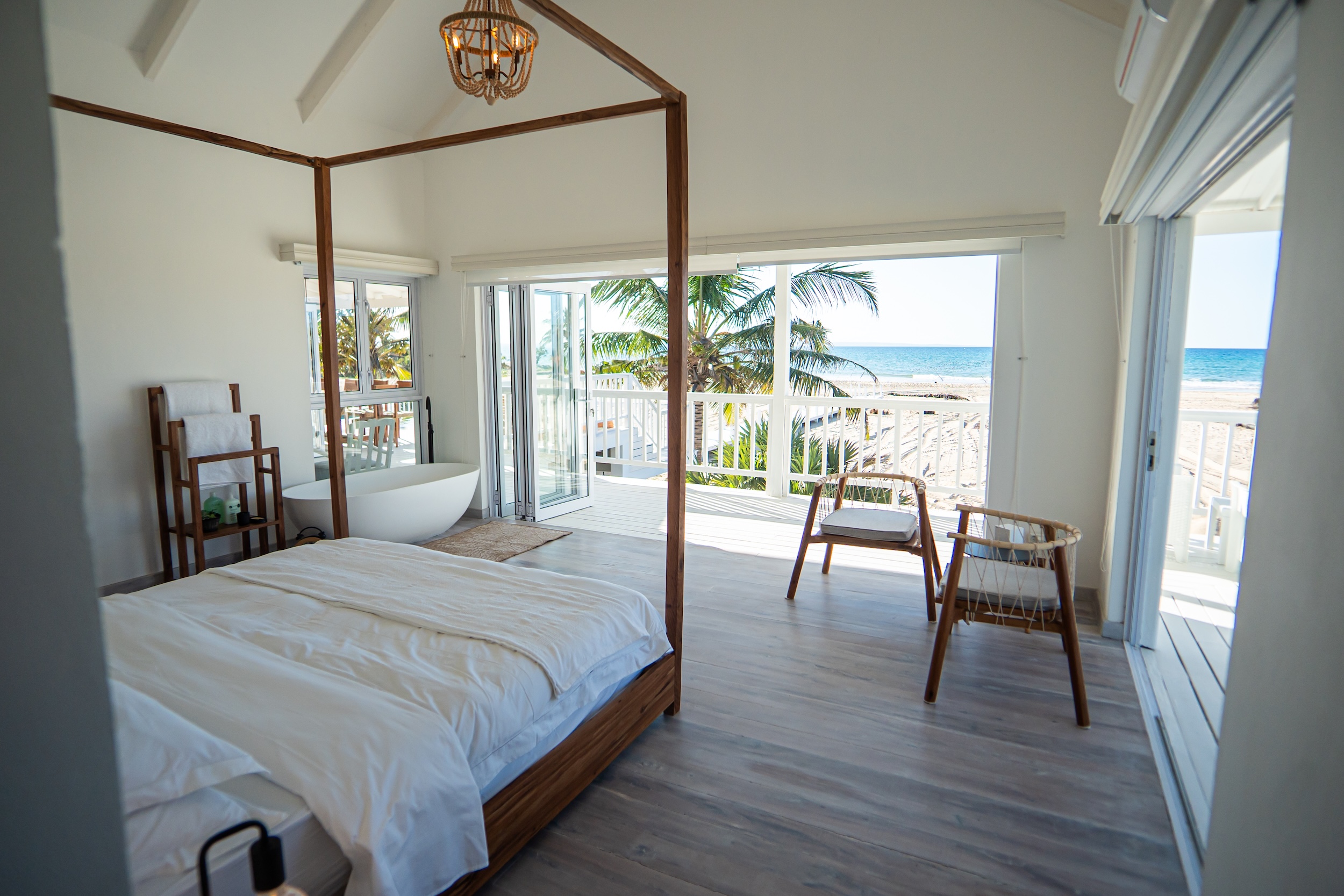
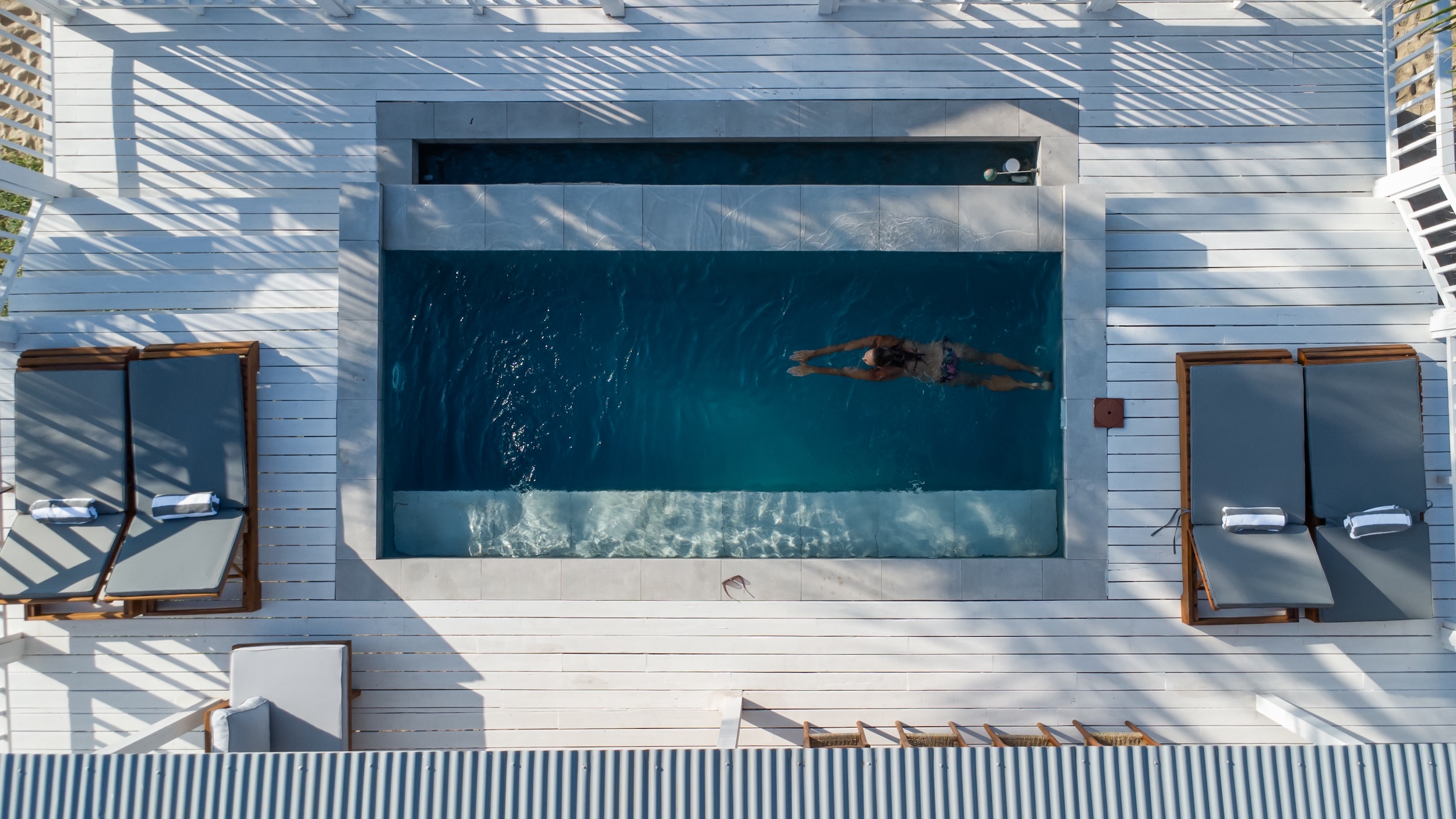
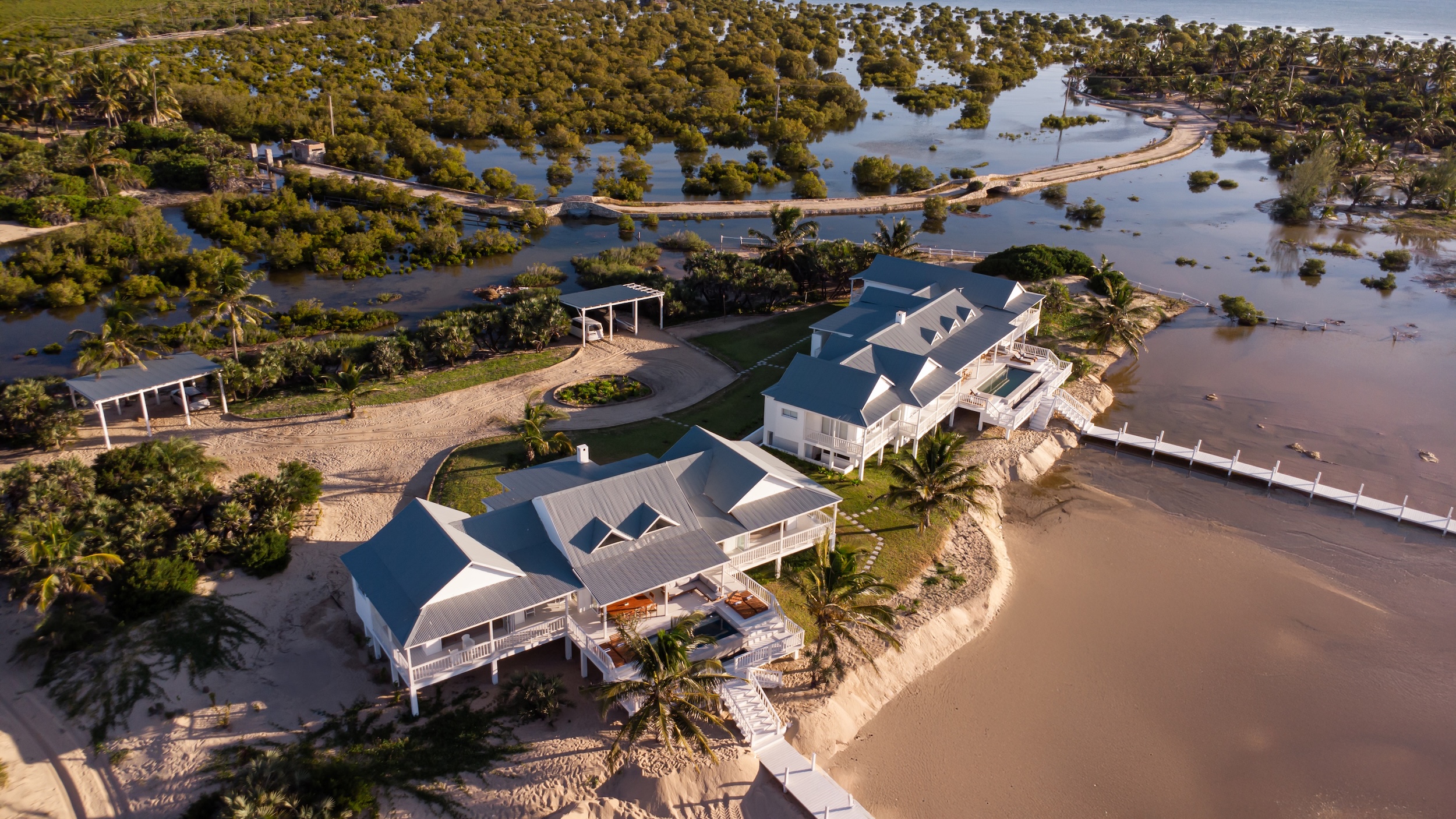
Two villas rather than rooms, and the choice is one of scale, Villa de Luz is the flagship at 911 m² with four ocean-view en-suite bedrooms, a library, fitness room and a ten-metre infinity pool, ideal for families or groups taking the whole estate, while the 424 m² Villa de Sal suits couples and smaller parties with two en-suite bedrooms, open-plan living and its own six-metre infinity pool.
Full-board dining is included and prepared by a dedicated private chef, three gourmet meals a day with menus tailored to preference, including nutrient-rich whole and superfoods, served al fresco on the villa terraces under the stars, a drinks butler is on demand and the rate covers selected local beverages, water, beer and wine, with premium spirits and imported wines charged extra.
Beachwear and reef-safe sunscreen, a hat and light breathable cottons, a light cover-up for trips into Inhambane town, water shoes for reef snorkelling and the tidal flats, insect repellent for dusk, and a light layer for the cooler, breezier evenings of July to September.
Time a stay between July and October for the humpback-whale migration along this coast, take the included dhow trip to the Pansy Island sandbank around low tide when the sand emerges, and remember serious divers have Tofo's famous whale-shark and manta sites a short drive away, the rate is fully inclusive of meals, a drinks butler and two massages on a seven-night stay, so factor that value, and book both villas on an exclusive-use basis for total privacy.
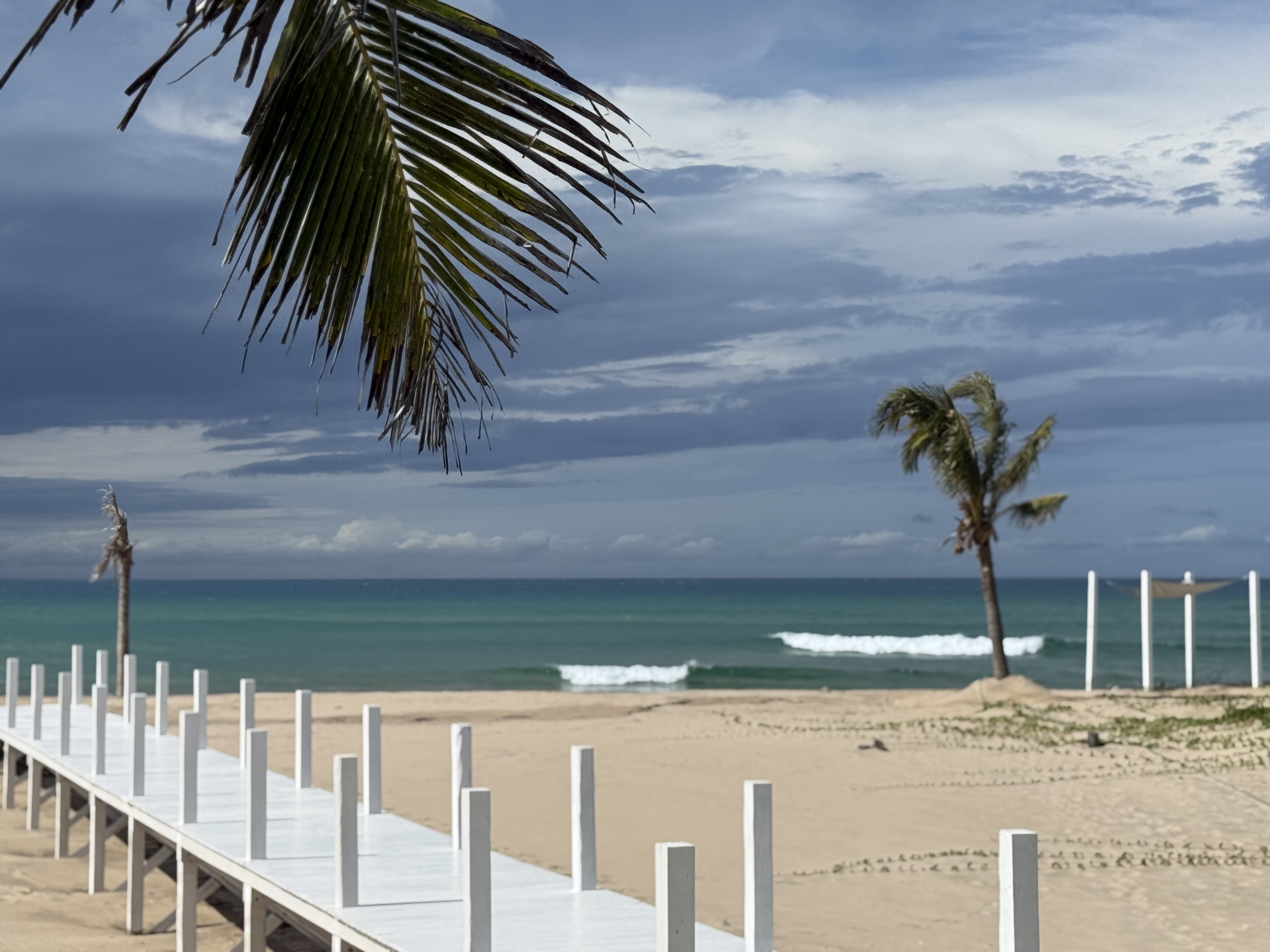
A small, low-density estate of just two villas on 2.7 hectares, its tropical gardens of palms and exotic flora draw colourful coastal birdlife, and it sits on the Inhambane coast, one of the planet's most important areas for whale sharks, manta rays and dugongs