Reviewed by
First-hand Stay
First-hand Stay
Reviewed by
On-site inspection
On-site inspection
Reviewed through
Sources
Sources
Fly by light aircraft from Maun (MUB) to the Khwai airstrip, followed by a short game-drive transfer to camp.
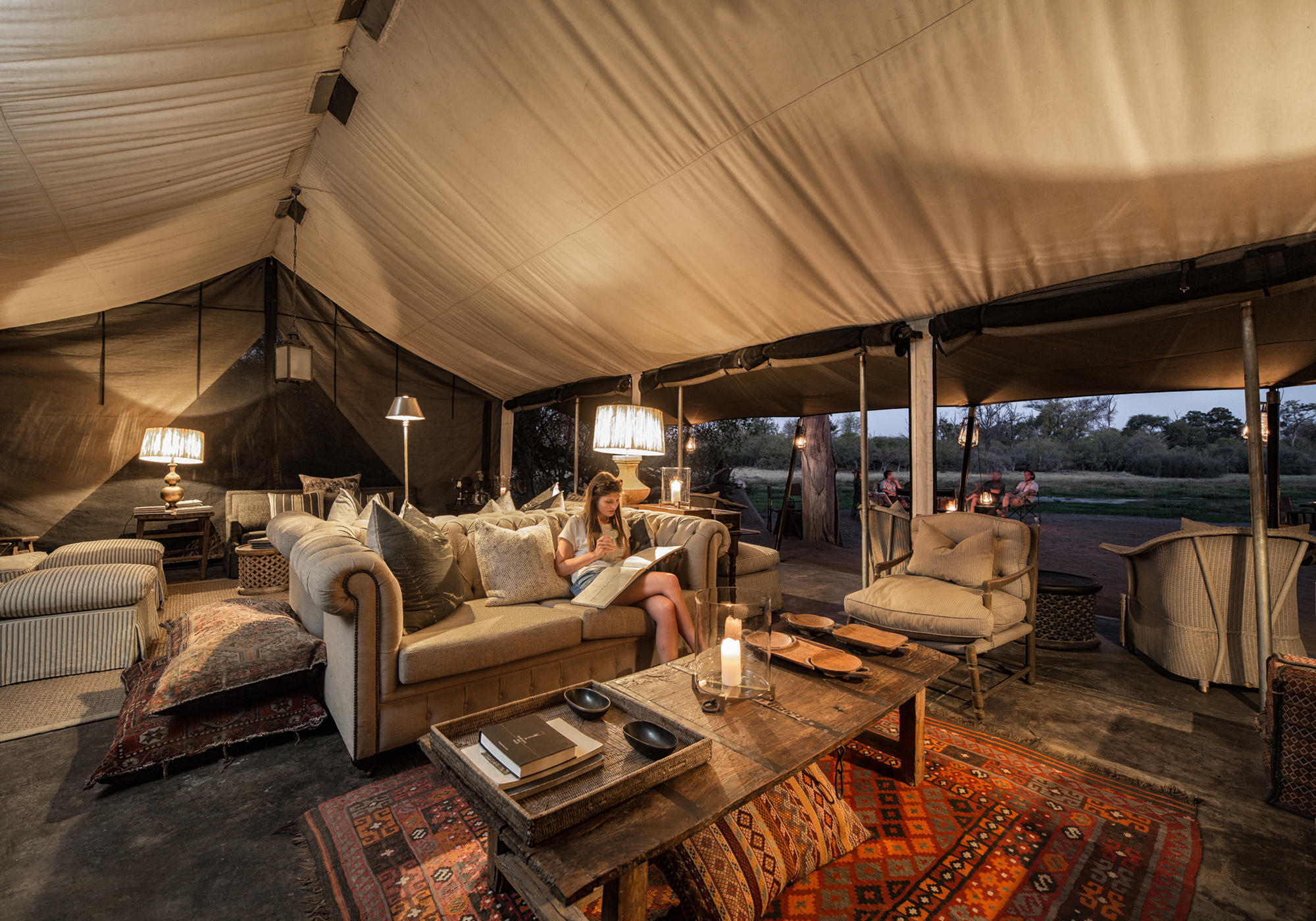
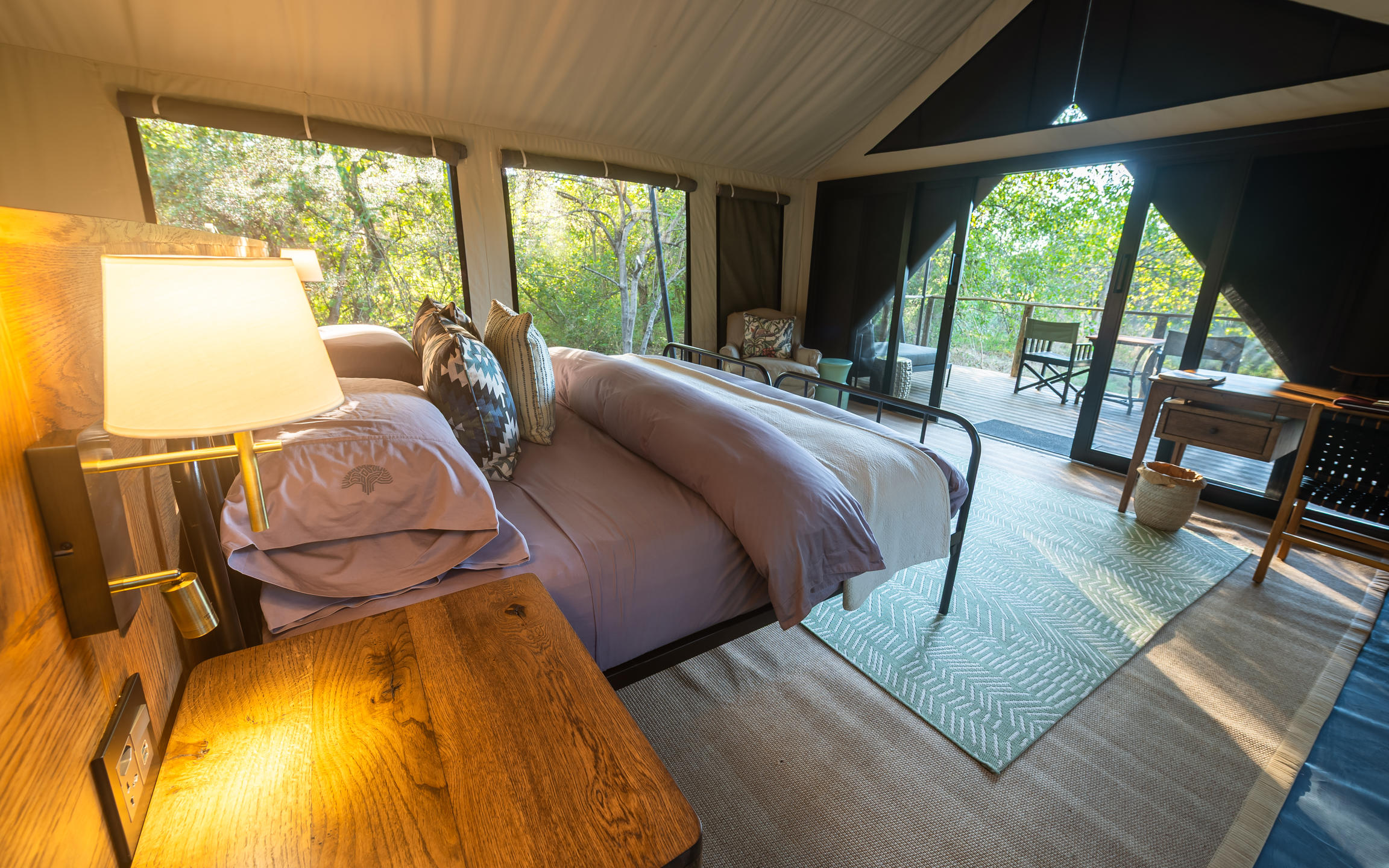
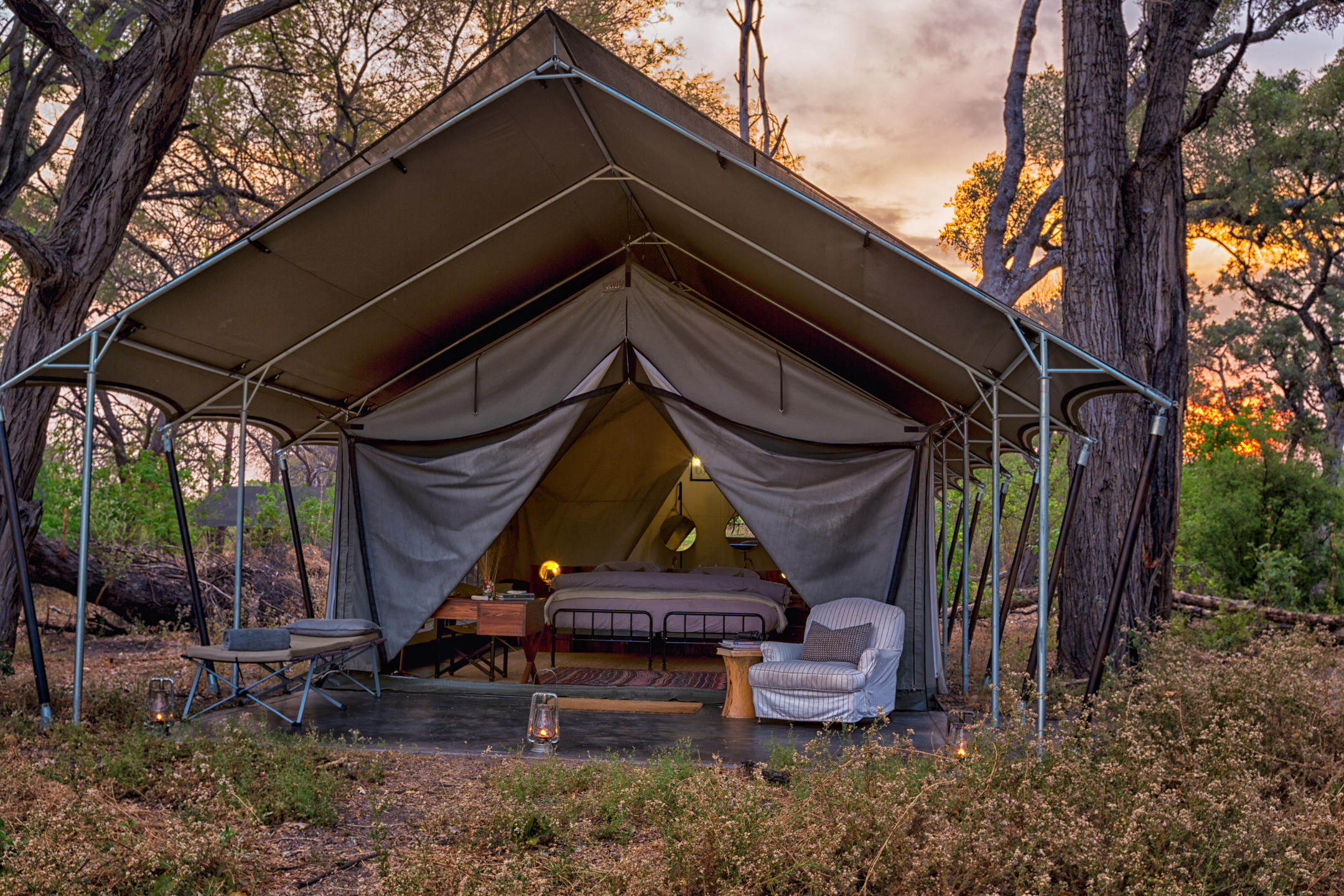
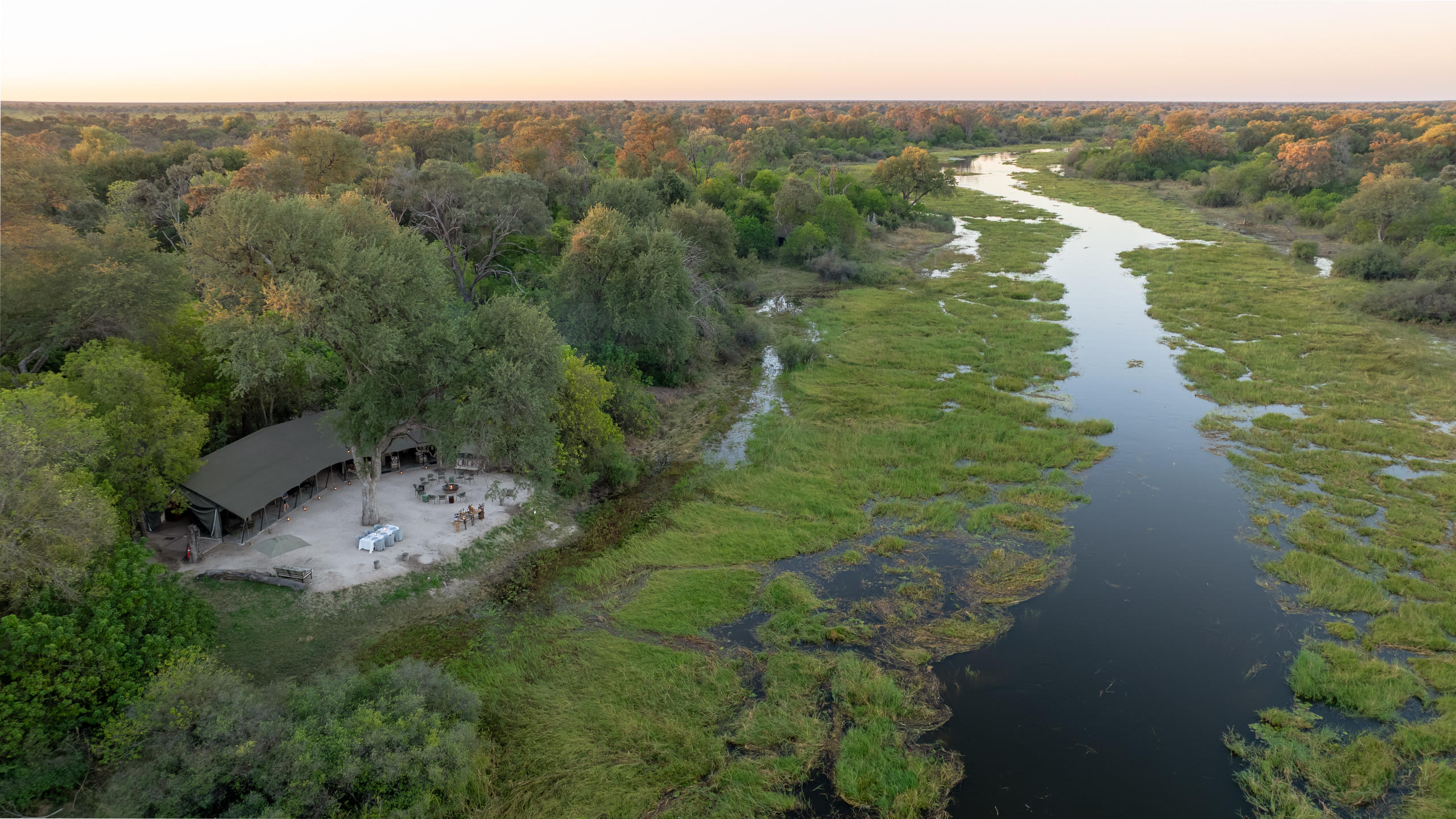
Ten spacious ground-level canvas tents in understated 1950s colonial style, threaded along the riverine treeline on the Khwai with linking paths meandering between big trees, each with premium mattresses and linen, an en-suite bathroom (indoor shower, double vanity, flush toilet), a living area and a romantic outdoor shower, plus a private veranda where you can watch the daily parade of game coming down to the river. Eight are twin/double tents and two are four-sleeper Family tents, ideal for families.
Fine, freshly prepared dining on a fully inclusive basis, breakfast, lunch and dinner plus between-meal snacks and warm beverages, taken in the tented main area, by the pool or out in the bush, with cool drinks and alcoholic beverages included (imported and premium brands excluded).
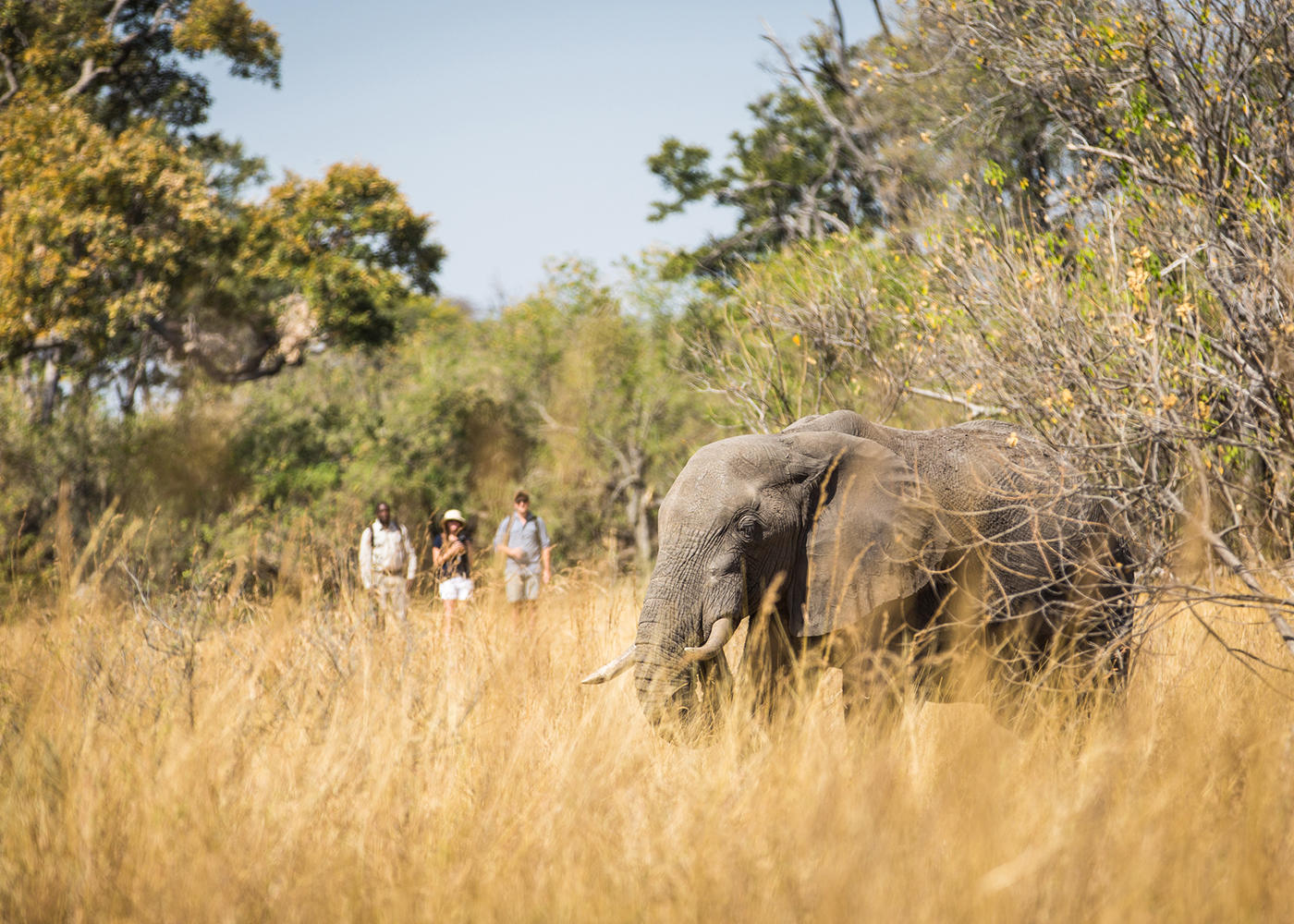
Neutral safari layers with a warm jacket, beanie and gloves for cold winter dawn drives and mokoro outings (June–August), lighter clothing for the hot October build-up, closed shoes for walking safaris, a sun hat, sunscreen and binoculars, insect repellent and antimalarials, swimwear for the pool, a headtorch, camera gear, and a soft bag (~20 kg) for the light aircraft.
Machaba is one of the Delta's genuine value picks, owner-run with a big heart, so it delivers a classic, authentic safari without the glossiest price tag. The Khwai concession is small but exceptionally game-dense (superb for wild dog, lion and leopard), and being a private concession, night drives and off-road are possible, unlike inside Moremi itself. Time a visit for the flood (roughly May–September) to add mokoro.
Machaba sits in the 35,000-hectare Khwai Community Concession, a community-owned reserve bordering Moremi within the UNESCO-listed Okavango Delta, so tourism directly benefits the local community. Independently owned and run, Machaba Safaris channels a Conservation & Community Levy (built into the rate) into local wildlife protection and community initiatives, and takes a low-impact approach with ground-level tents that tread lightly on the riverine forest.