Reviewed by
First-hand Stay
First-hand Stay
Reviewed by
On-site inspection
On-site inspection
Reviewed through
Sources
Sources

Fly by scheduled Wilderness Air light aircraft (via Windhoek and other Wilderness camps) to Hartmann Valley Airstrip, the servicing airstrip, then a roughly 1.5-hour 4×4 transfer across the desert to camp, driving in independently isn't possible, so all access is by air plus the Wilderness road transfer.
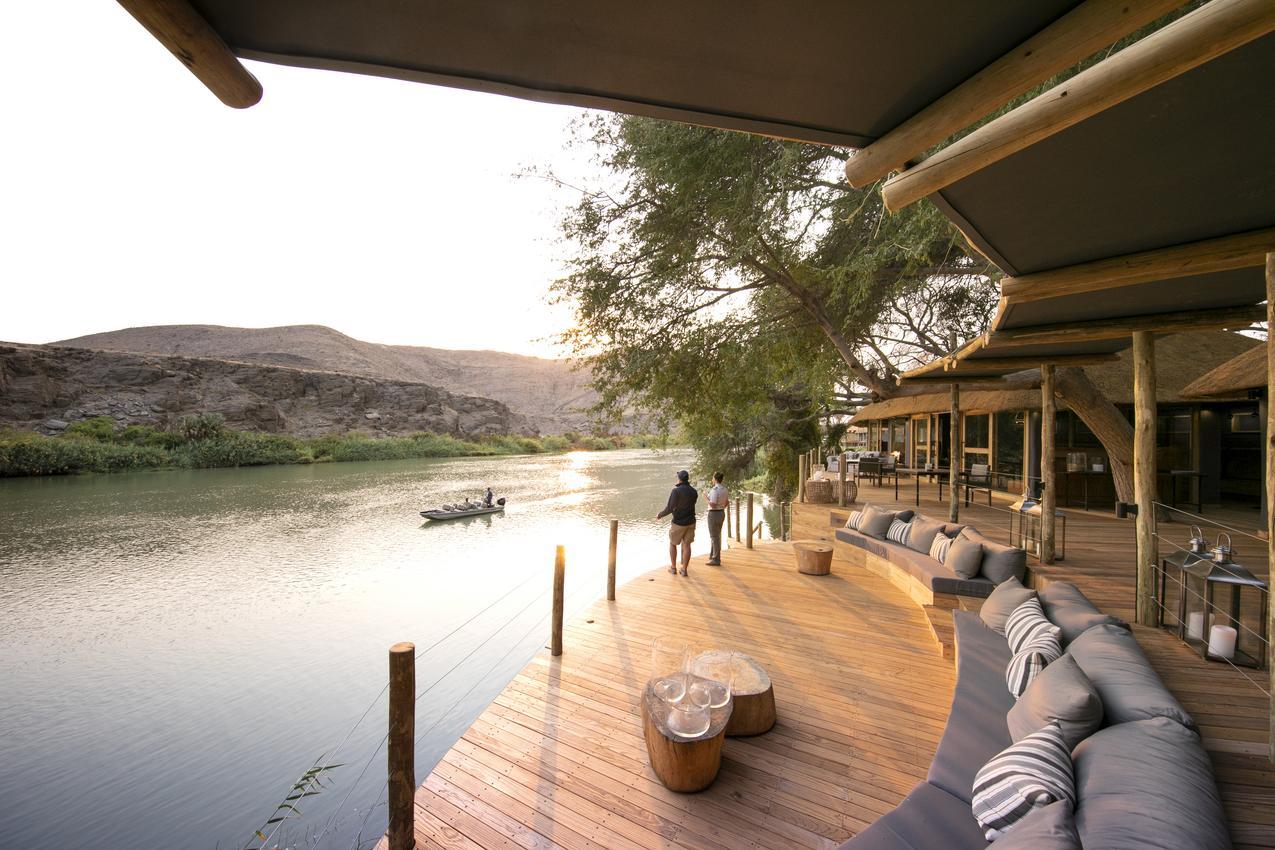
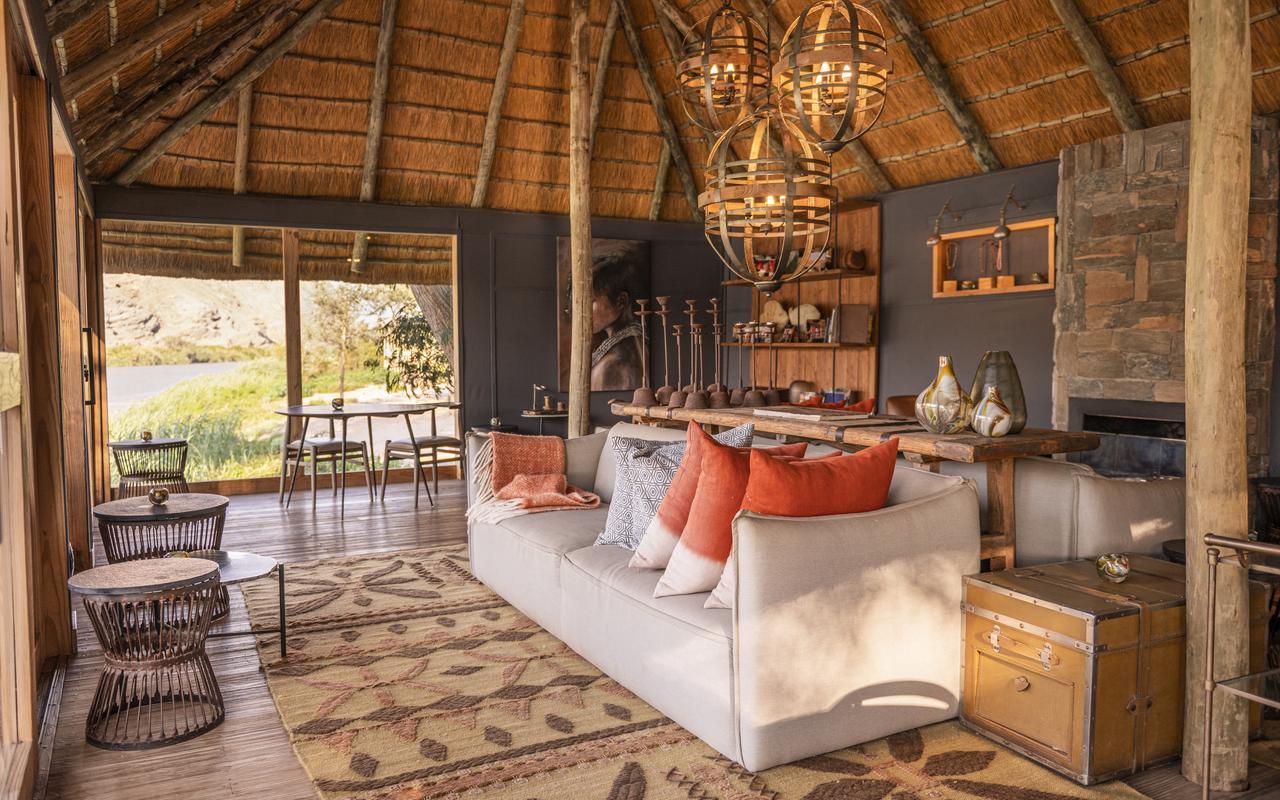
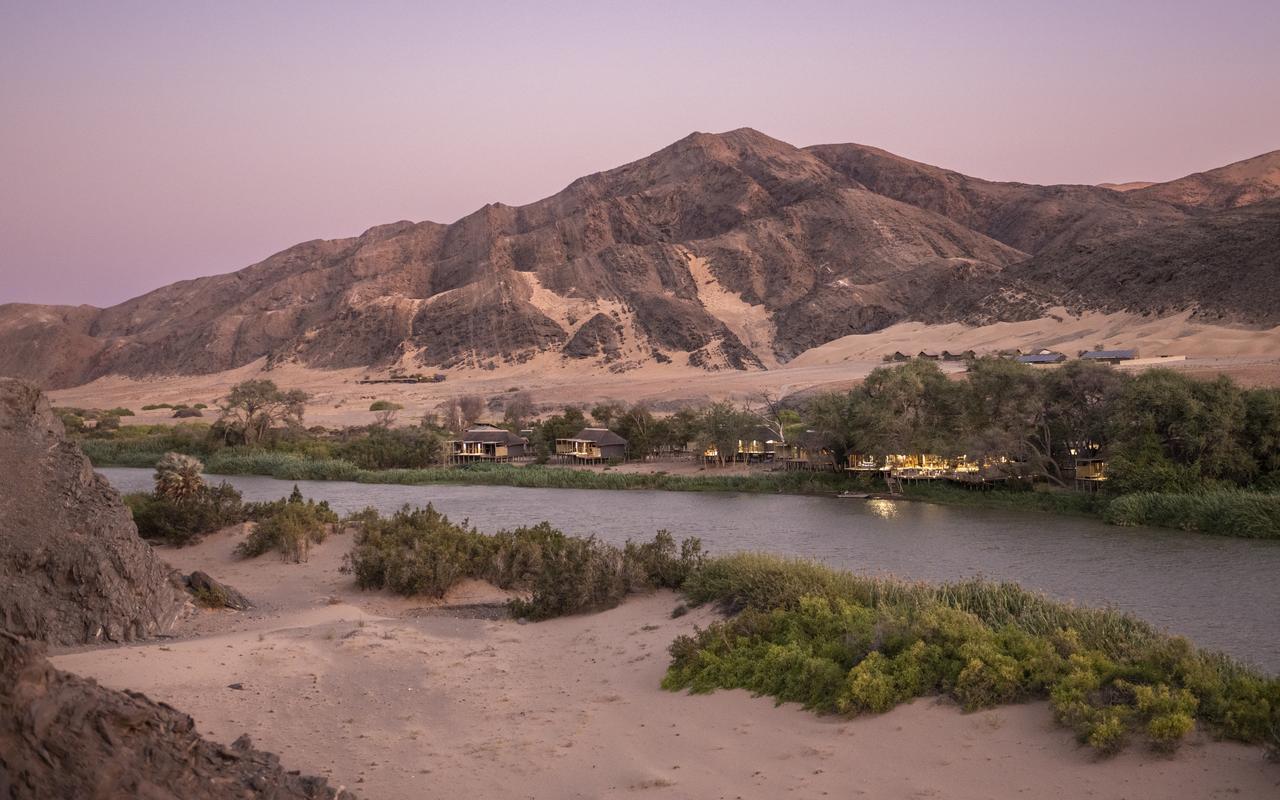
Eight Meru-style canvas-and-thatch suites raised on spacious elevated decks and blended into the riverbank among the albida trees, each with an en-suite bathroom, ceiling fan, mosquito nets and a private viewing deck over the Kunene as standard, simple, close-to-nature comfort with the rapids as a soundtrack. The pick are the suites with the most open river-and-mountain outlook, while families take the Family Tent, a main bedroom and lounge inter-leading into a second twin bedroom for two children. Décor throughout is inspired by the local Himba people.
All meals included, flavour-packed fare served in indoor and outdoor dining spaces and at the river bar, with fireside drinks under the stars, all local drinks are included (premium imported brands and champagne excluded), and the setting, riverside with rapids below, makes every meal memorable.
Warm layers are essential, the desert swings from hot days to cold mornings and nights, so a windproof jacket, fleece and beanie alongside lighter daytime clothing, closed shoes and a buff or scarf for dust and wind on the dunes and quad bikes, sunglasses, a sun hat, high-factor sunscreen and lip balm, a headtorch, binoculars, plenty of camera gear, and a soft bag for the light aircraft, no malaria kit needed here.
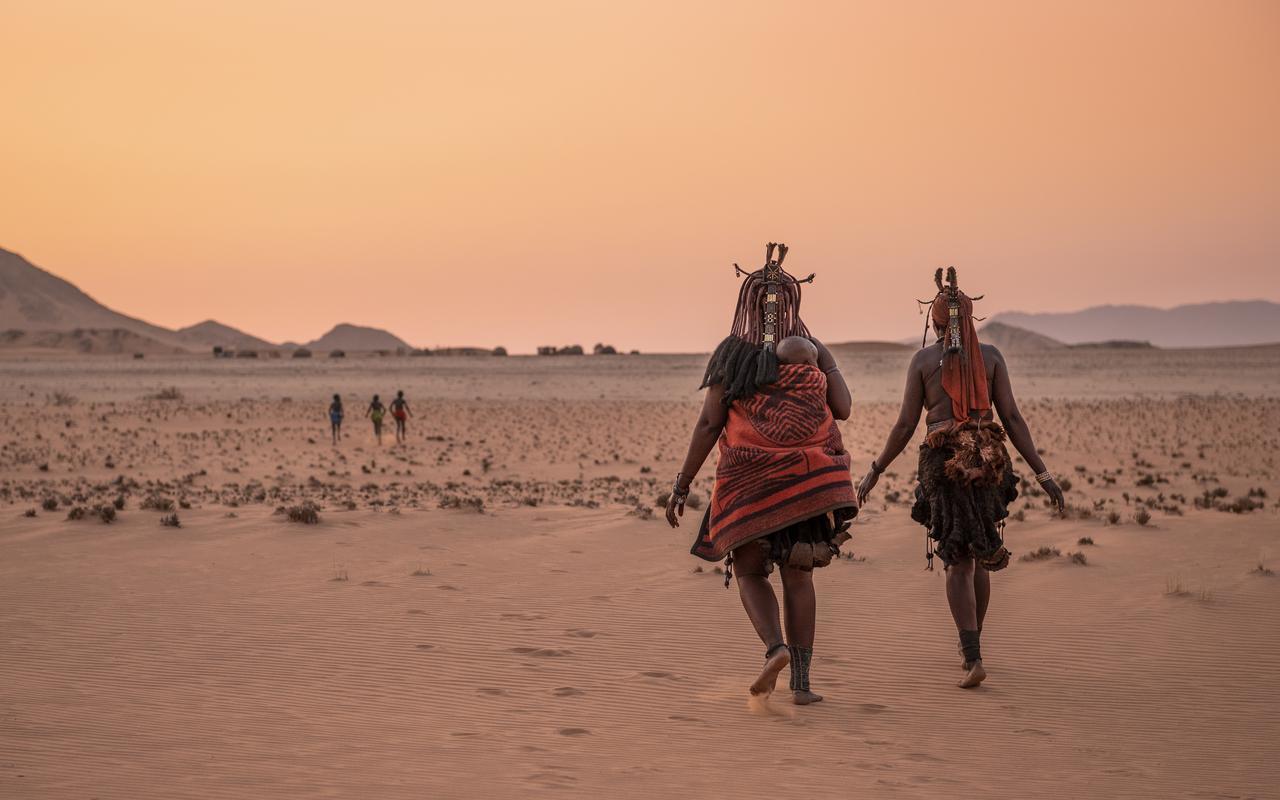
Getting here is a genuine expedition, and the reward is near-total solitude, so build in at least two nights. The Himba cultural visit is widely called the most authentic in Namibia, engage respectfully and low-impact, and don't miss a dune quad-bike excursion (min age 16) and a boat trip on the Kunene when water levels permit, to see crocodiles and water birds. Come for the surreal desert-meets-river landscape and the fairy circles rather than big game, which is limited here, and note it pairs naturally with Hoanib or the Skeleton Coast for a northern-Namibia circuit.
Serra Cafema is 100% solar-powered and sits within the 300,000-hectare Marienfluss Conservancy, owned primarily by the Himba, so tourism directly funds community livelihoods and the protection of this fragile desert-and-river wilderness. Wilderness follows a deliberately low-impact model here, treading lightly across the dunes, and channels its conservation and community work in the Kunene through the broader Wilderness impact programme (a cumulative ~167,000+ hectares under its care in Namibia).