Reviewed by
First-hand Stay
First-hand Stay
Reviewed by
On-site inspection
On-site inspection
Reviewed through
Sources
Sources

Fly to Hoedspruit Eastgate Airport (HDS) on daily scheduled flights from Johannesburg or Cape Town, then a road transfer into the reserve, alternatively self-drive from Johannesburg (roughly 5.5 hours).
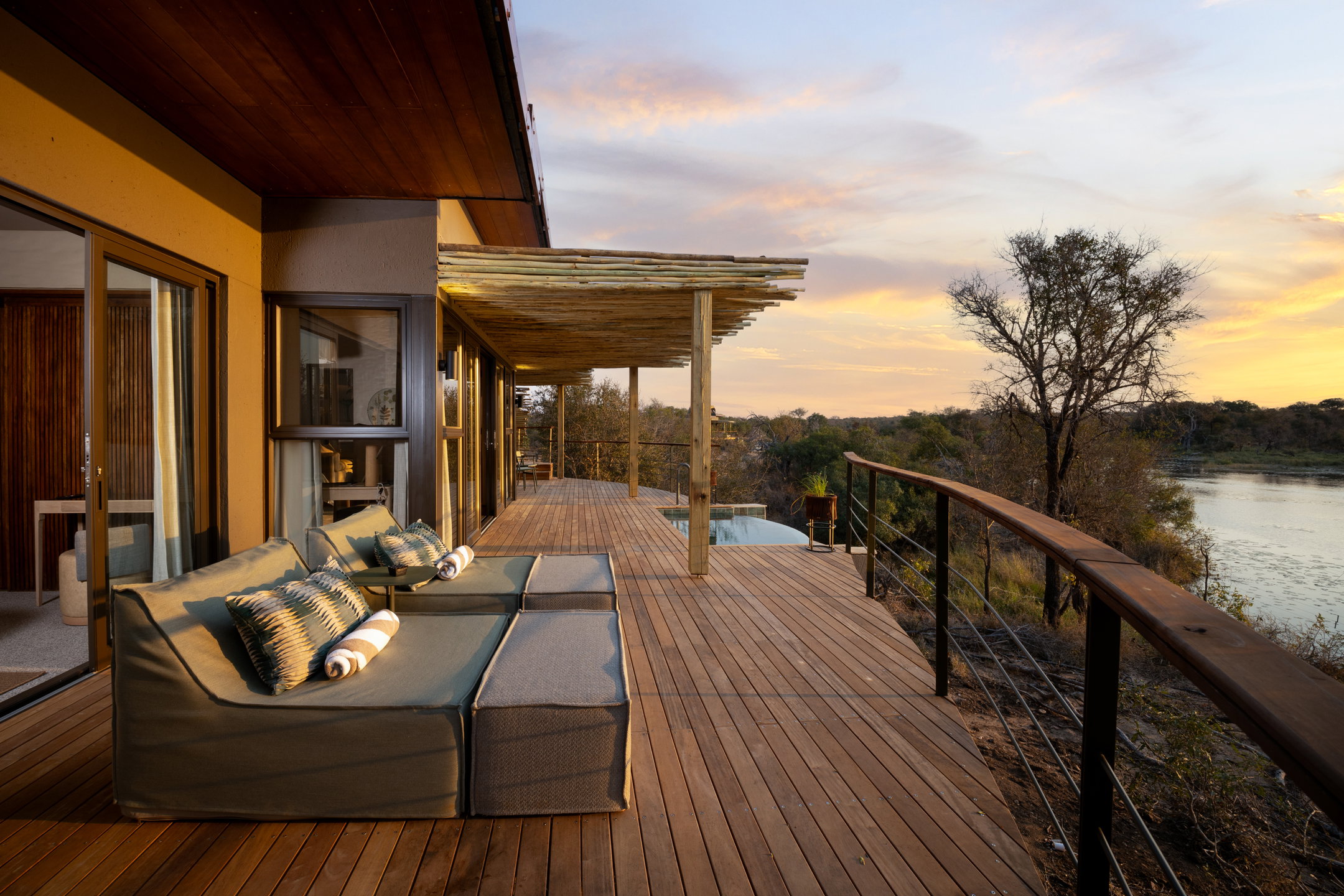
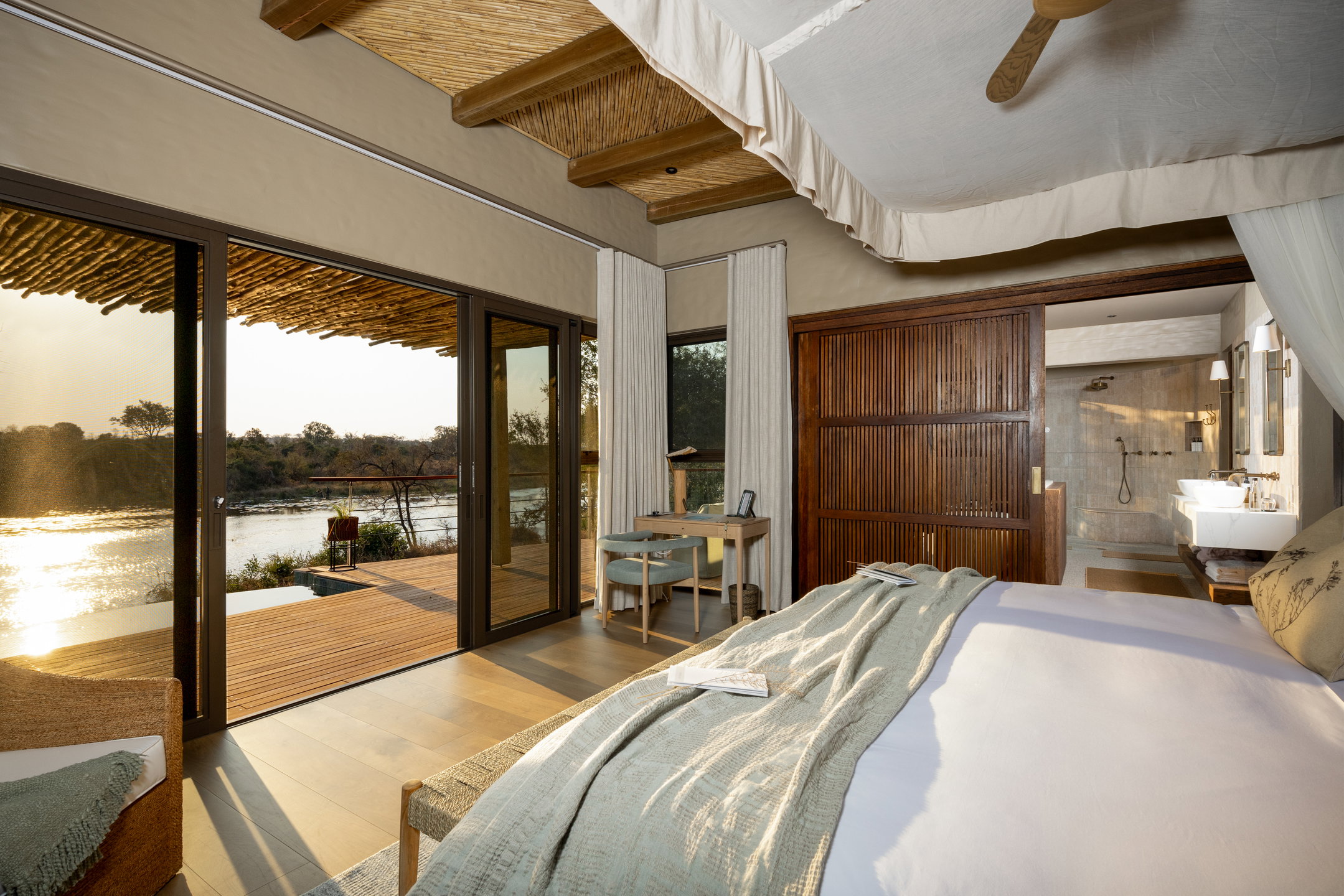
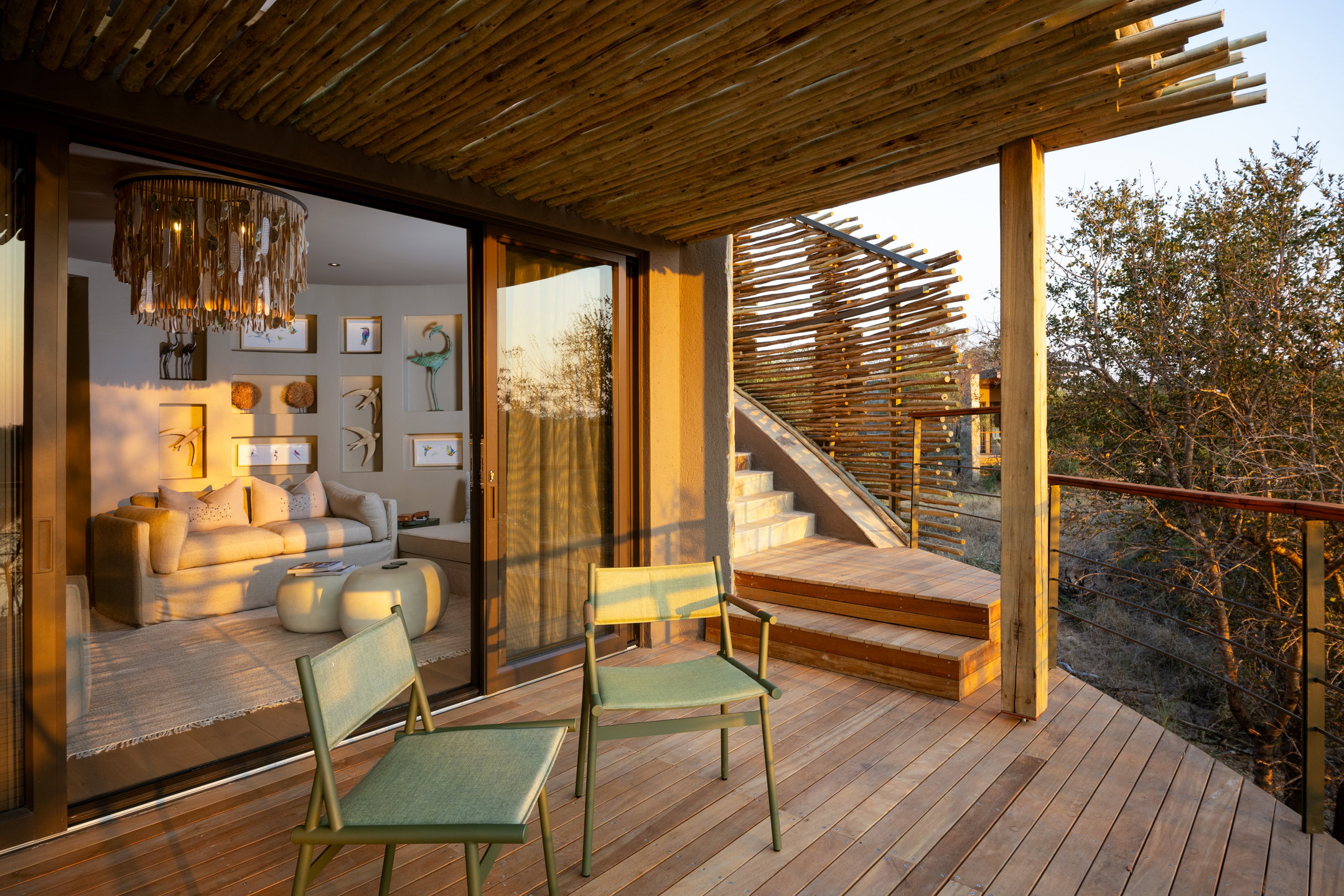
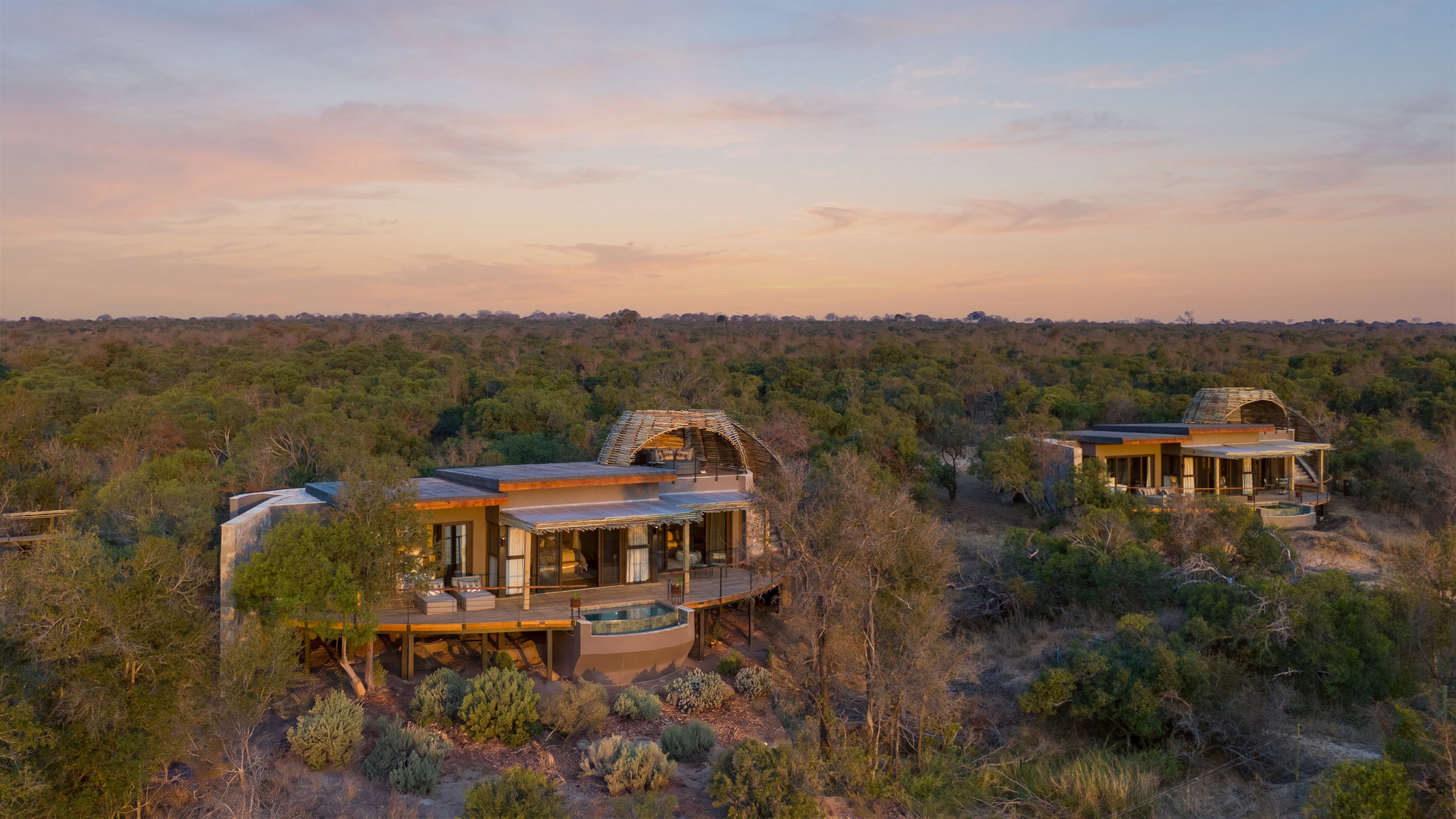
Six luxury suites and two private villas set in a thicket, each with a timber deck, a private pool and a distinctive nest-like rooftop retreat (sala), the signature that gives Shisaka ("nest") its name, and interiors built around earthy, tactile materials like quartz stone. The whole camp can be booked exclusively, and for a larger family or group, the exclusive-use Sandringham House sits on the Timbavati River.
Sumptuous cuisine in the warm, hospitable Sabi Sabi style, with fireside dinners hosted by your guide and meals served in the camp's design-led communal spaces or privately, all on a fully inclusive basis
Neutral safari layers with a warm jacket and beanie for cold winter dawn drives in open vehicles (May–August), lighter clothing for hot summers, closed shoes for bush walks, a sun hat, sunscreen and binoculars, insect repellent and antimalarials, swimwear for the private pool, smart-casual for dinner, and a good camera for the restored, wildlife-rich reserve.
Shisaka is the more design-statement of Sandringham's two camps, book it for the nest-like rooftop salas, private pools and villa flexibility (N'weti is the intimate, waterside six-suite camp). It's Sabi Sabi's first venture beyond the Sabi Sand, so you get their renowned guiding and hospitality in a fresh, uncrowded, newly rewilded setting bordering the Timbavati and Thornybush. Being a private reserve, drives go off-road and after dark, and the two villas or a whole-camp buyout are ideal for a family gathering or milestone. Come for the conservation story too, this was a former hunting reserve restored over five years.
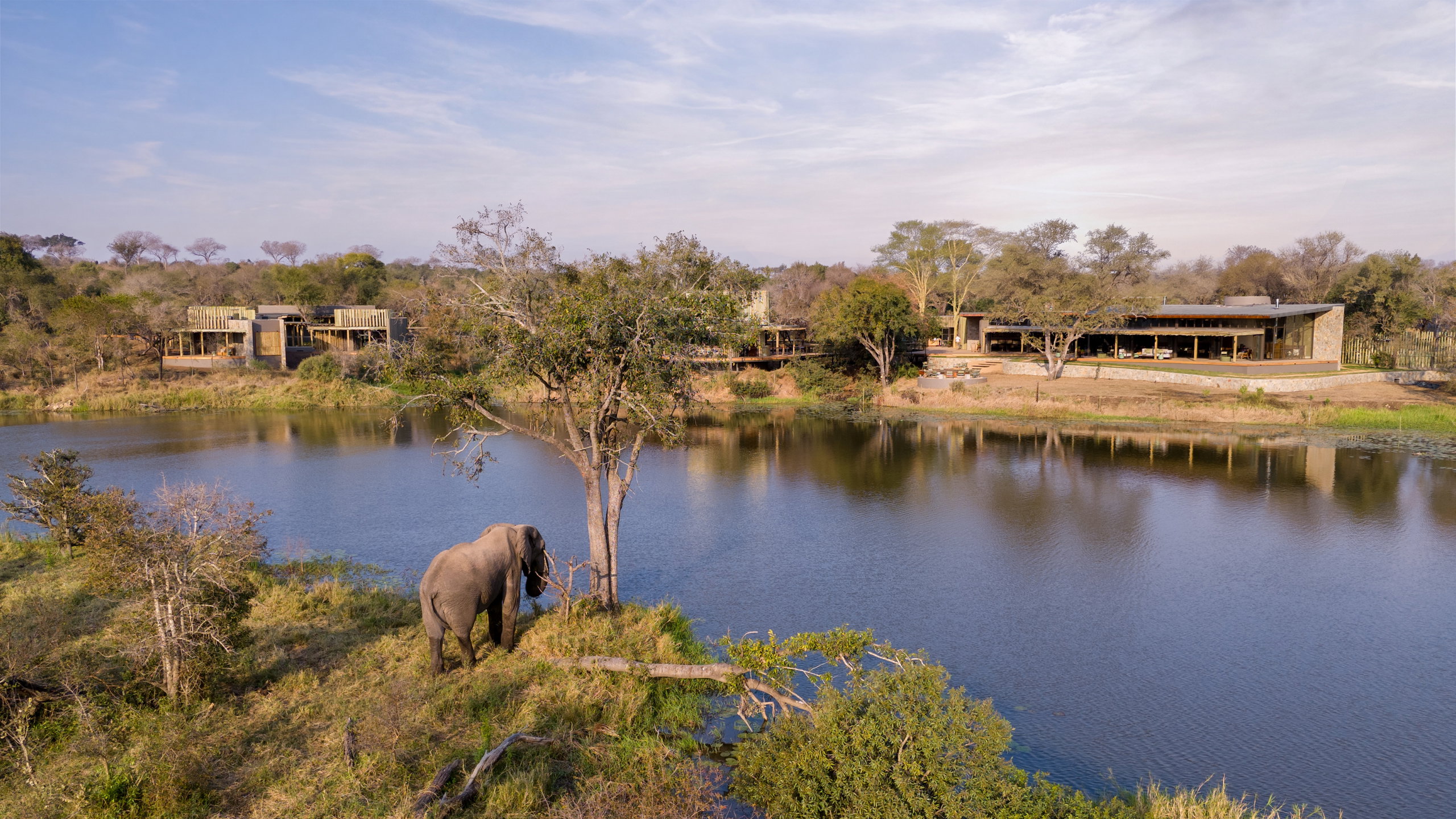
Sandringham is one of the most significant recent wilderness-restoration projects in the Greater Kruger region: over roughly five years the Sabi Sabi Collection, with a conservation-minded philanthropic partner, transformed a long-neglected former hunting reserve into a thriving, protected ecosystem, watching the land recover and wildlife return. Bordering the Timbavati and Thornybush reserves, it forms part of a larger interconnected wilderness, and the project centres conservation, community engagement and regenerative tourism, building on Sabi Sabi's 45+ years of expertise.