Reviewed by
First-hand Stay
First-hand Stay
Reviewed by
On-site inspection
On-site inspection
Reviewed through
Sources
Sources

Fly to Hoedspruit Eastgate Airport (HDS) on scheduled flights from Johannesburg or Cape Town, then about a 1.5-hour road transfer (roughly 70 km — 12 km to the Timbavati gate, then 37 km to the Motswari turnoff and 4 km of dirt), alternatively charter to a Timbavati airstrip or self-drive (6–7 hours from Johannesburg). Note: there is no access from inside the Kruger National Park.
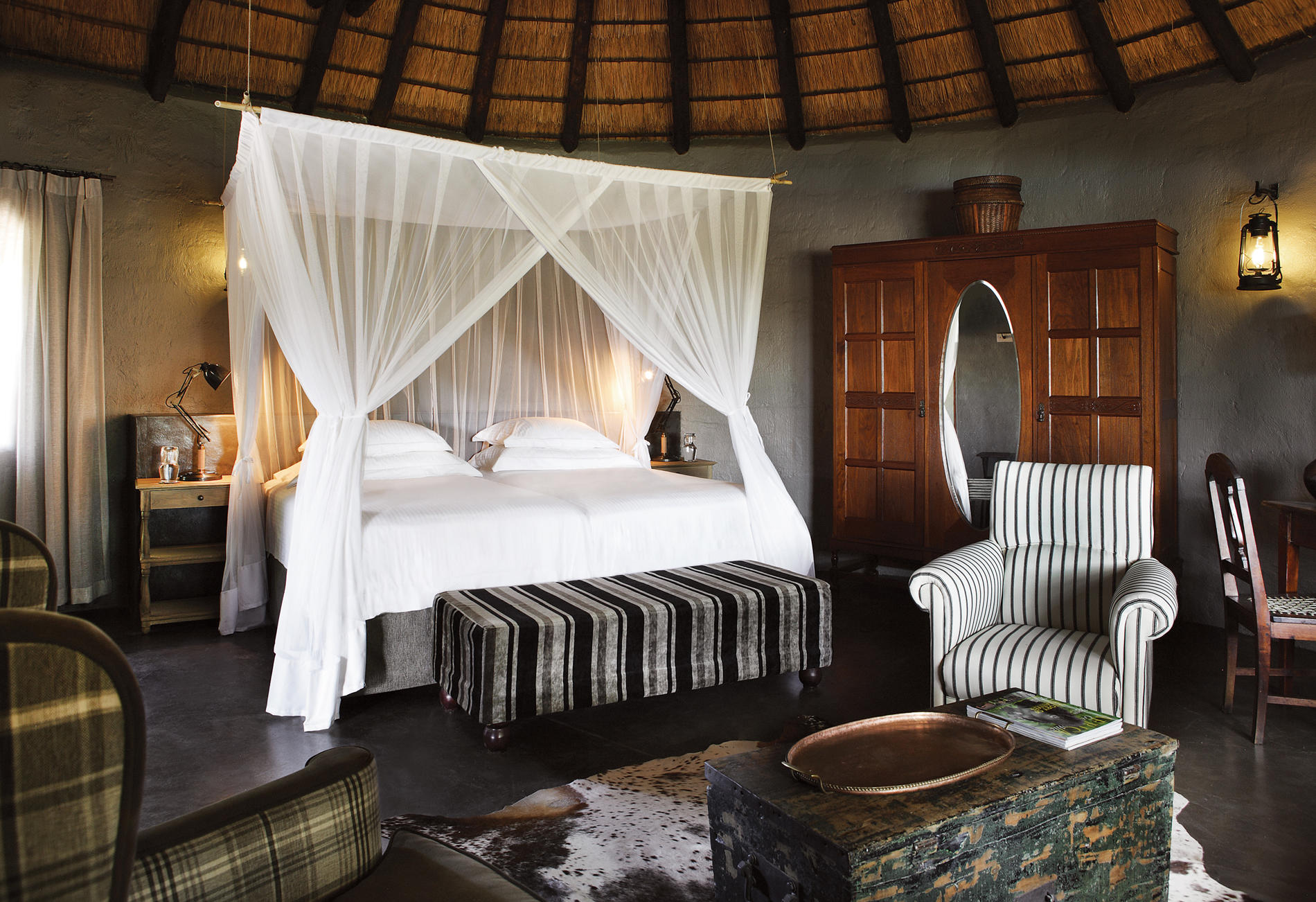
Fifteen traditional thatched bungalows (35–45 m²) set through the bush, each with a king bed, air-conditioning, en-suite bathroom, hairdryer, safe and the comfortable, lived-in feel of a genuine lodge rather than a design statement, with rangers escorting guests to and from the main areas after dark. Choose between bush or river bungalows
African cuisine with a fine-dining flair, brunch, high tea (late lunch) and dinner included, taken at scenic spots on the trail, in the lounge, at the buffet-style Breakfast Boma over coal fires, or in the lantern-lit open-air boma welcomed by drumming, with two bars for pre-dinner drinks and nightcaps and an award-winning Southern African wine list.
Lightweight clothing and swimwear, warm layers including a jacket, scarf and beanie for cool mornings and evenings, a waterproof jacket, a hat, sunblock and sunglasses, insect repellent and antimalarials, a small flashlight, and binoculars and a camera.
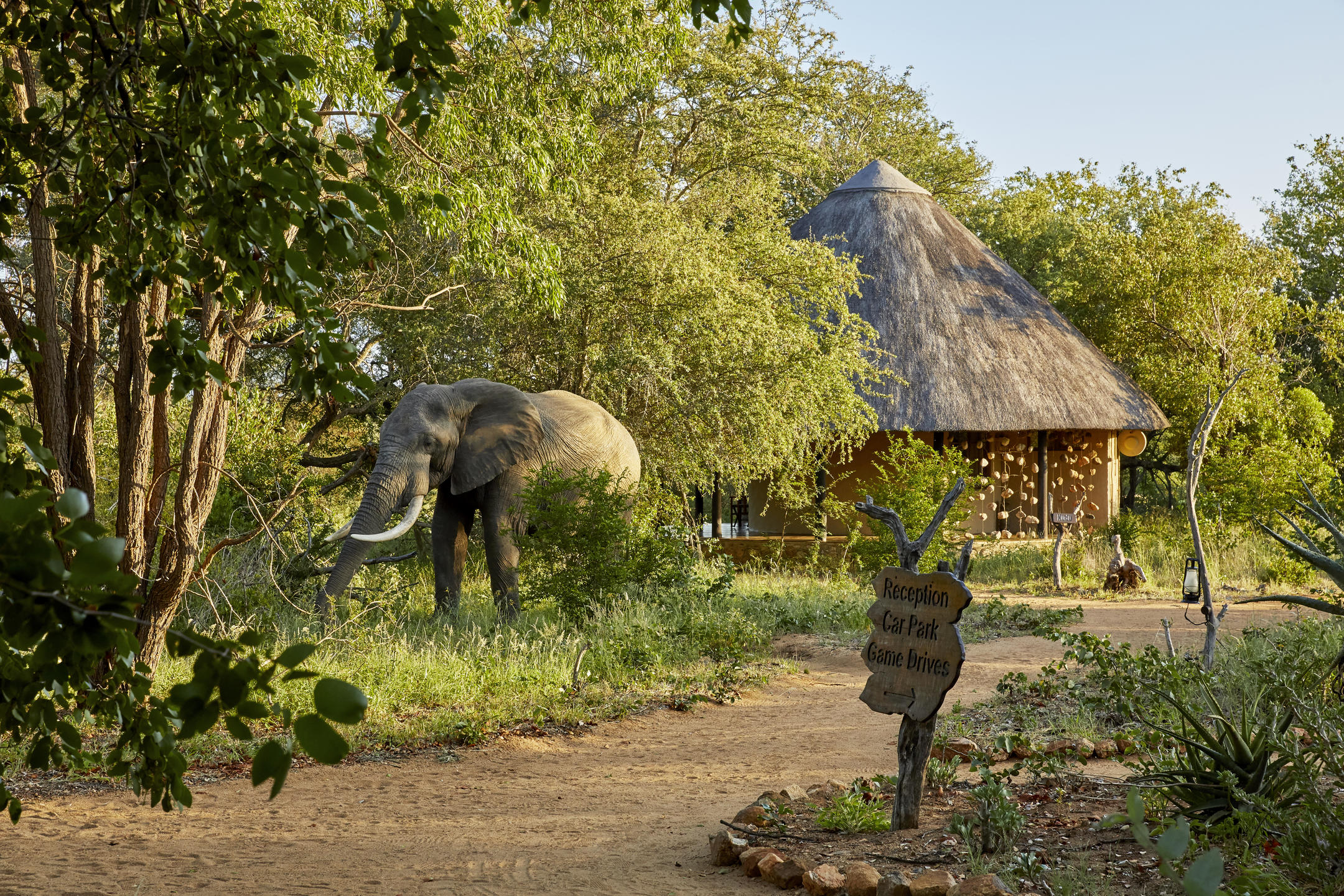
The Timbavati is white-lion and prime-leopard country, and being a private reserve your guides can drive off-road and after dark, delivering sightings you can't get in Kruger proper. Add the Giraffe's Nest treehouse sleep-out over Xanatsi Dam for a starlit night for two (18+), browse owner-artist Marion Geiger-Orengo's gallery and the library, and note the curio shop stocks crafts made by women from the nearby village.
Motswari sits within the Associated Private Nature Reserves, whose unfenced border with Kruger lets wildlife move freely across the Greater Kruger, and owner-artist Marion Geiger-Orengo founded Rhino Disharmony in 2014 after a rhino was killed on the reserve, an art-led movement raising funds and awareness against rhino poaching. Guest conservation levies fund the reserve's protection and anti-poaching, and the curio shop supports craftswomen from surrounding villages.