Reviewed by
First-hand Stay
First-hand Stay
Reviewed by
On-site inspection
On-site inspection
Reviewed through
Sources
Sources

Fly by light aircraft to Mana Main Airstrip (charters from Harare, Victoria Falls or Kariba), then a roughly 20-minute game-drive transfer to camp (about 7 km).
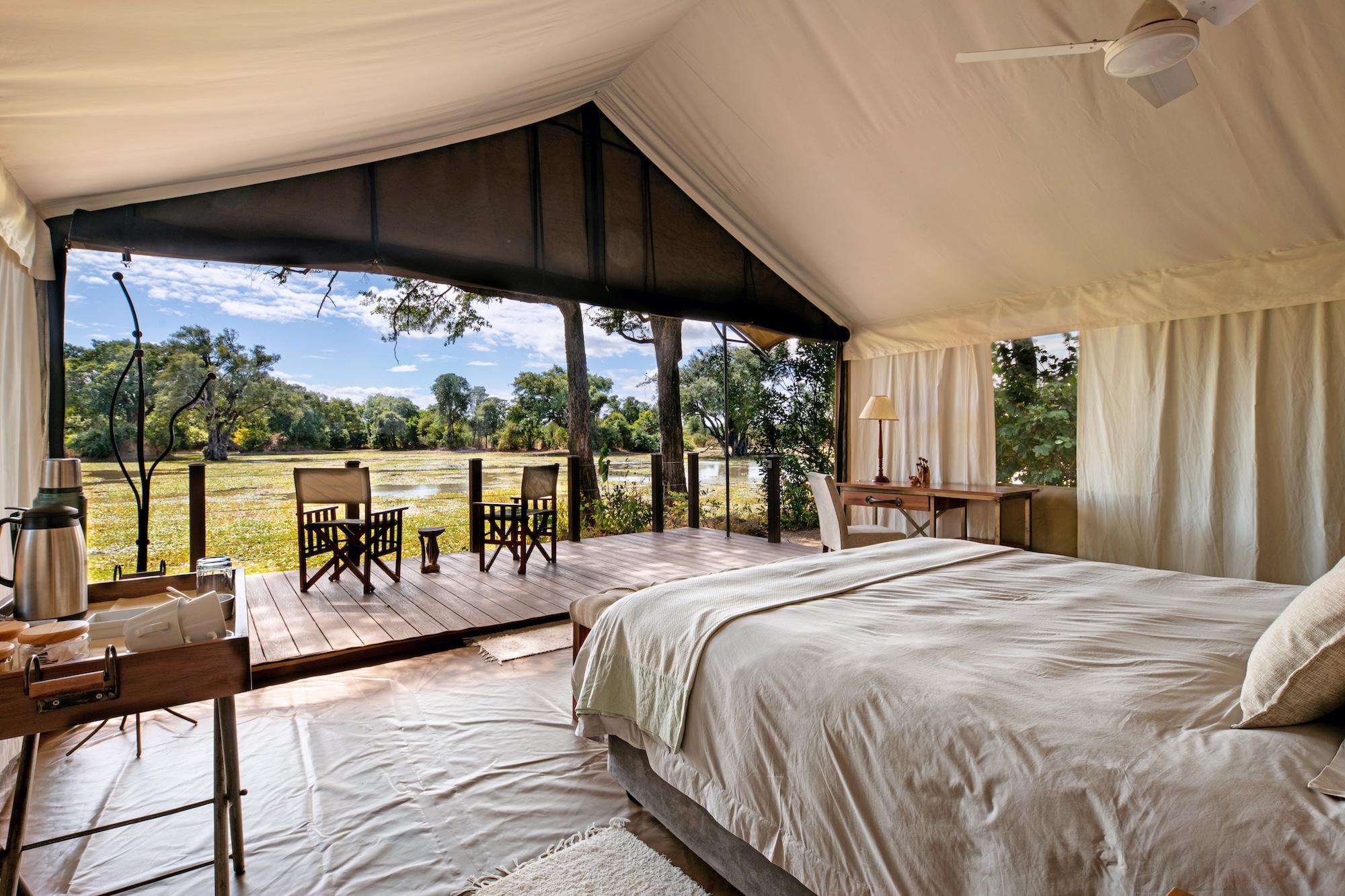
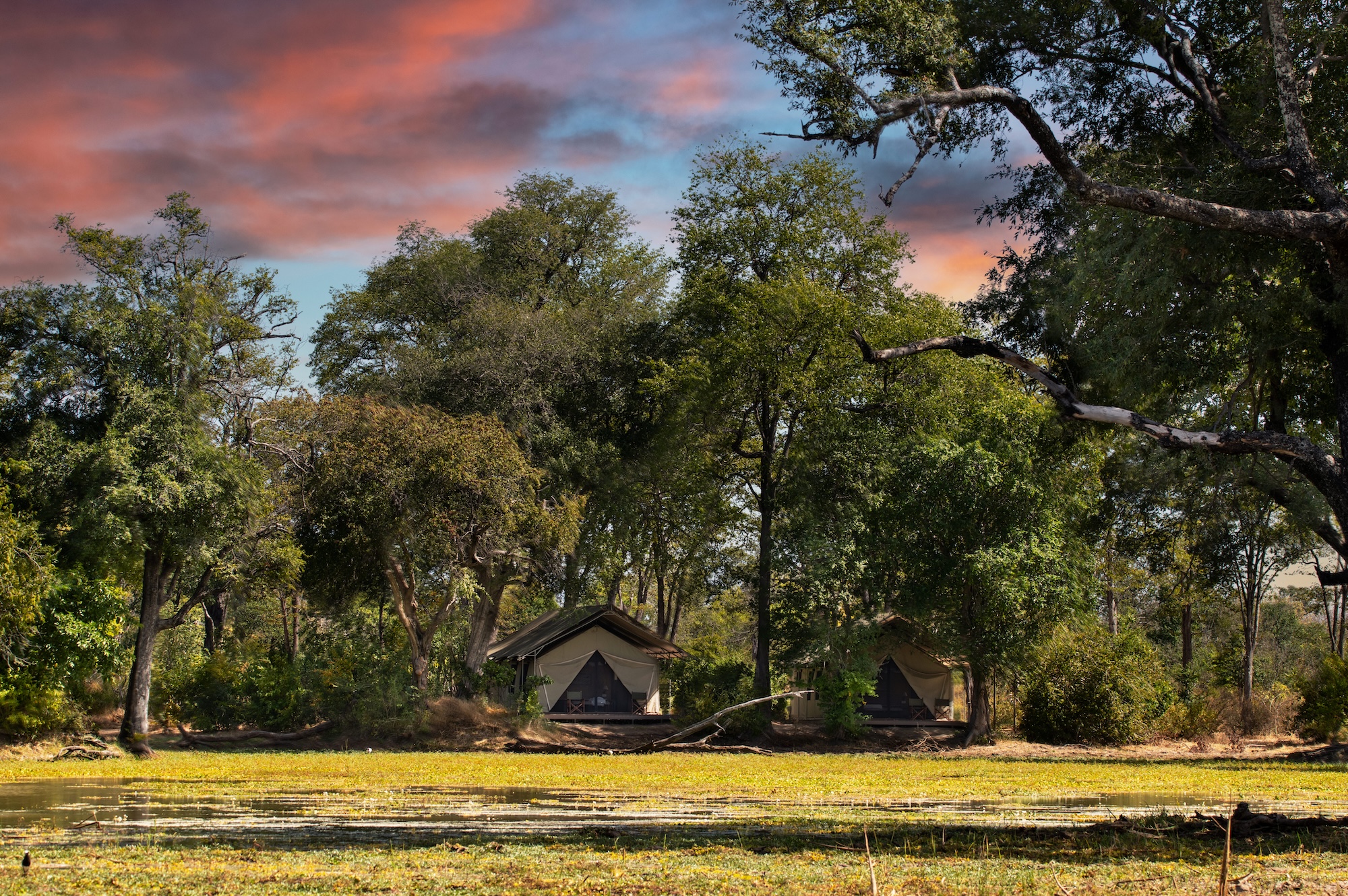
Eight spacious canvas tents raised on elevated wooden decks along the bank of the pan, each with premium beds (doubles, or twins on request), an en-suite with double vanity, indoor shower and flush loo, plus a private patio and a second open-air shower under the sky, with Family Luxury four-sleeper tents for families.
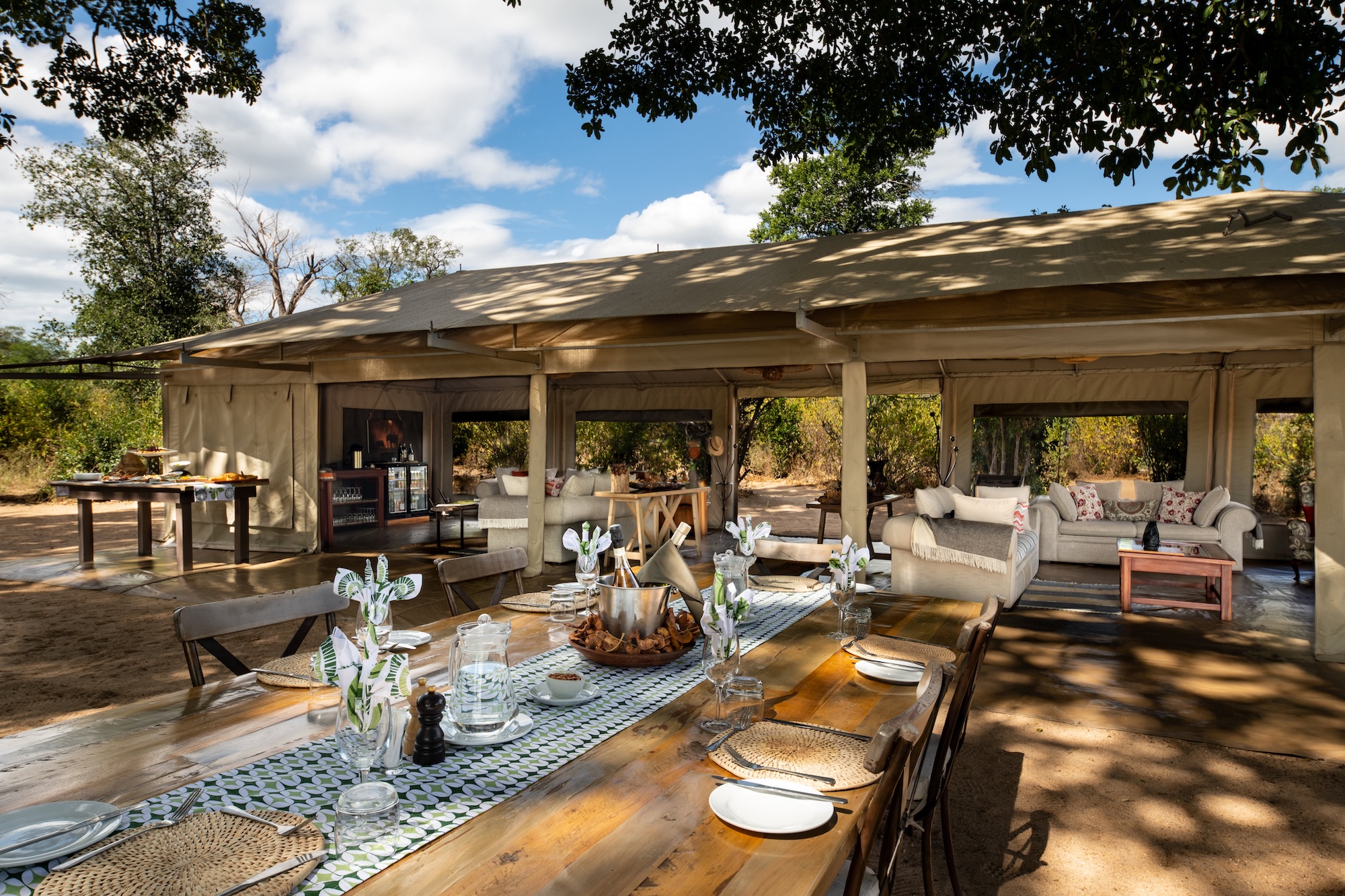
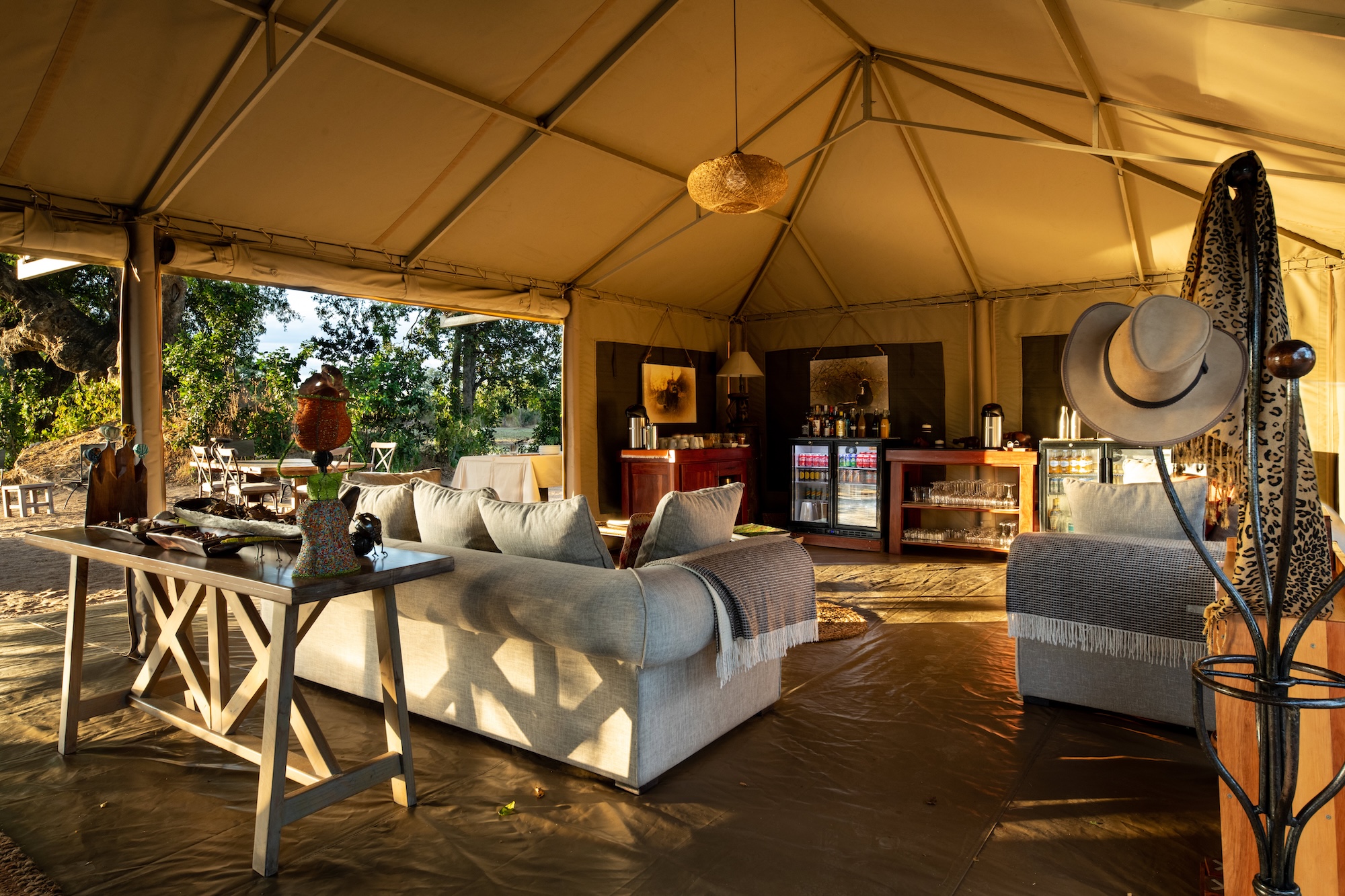
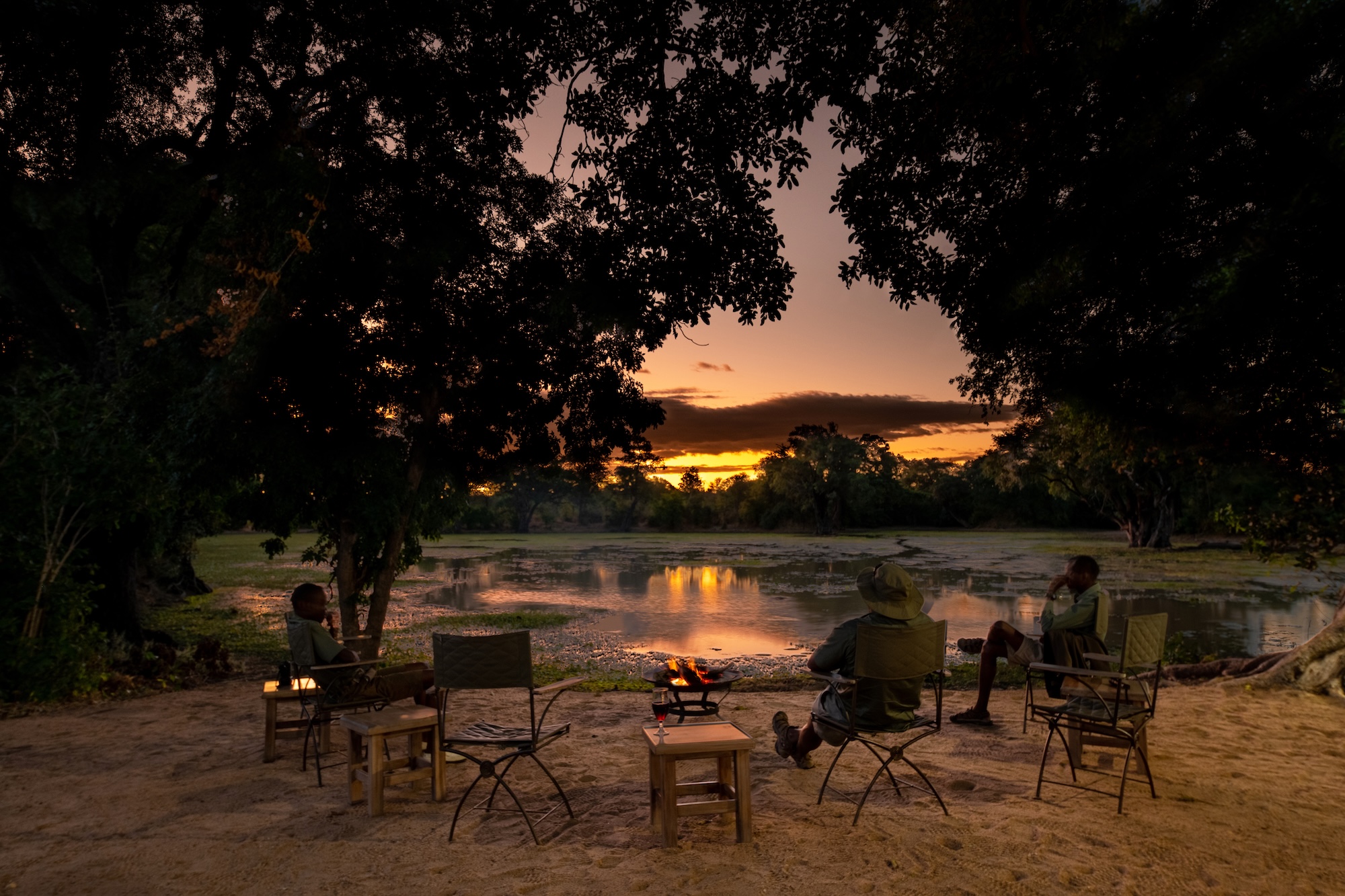
Fully inclusive and generous, with freshly prepared breakfast, lunch and dinner, in-between snacks and nibbles, and warm beverages, soft drinks and house alcoholic drinks (premium and imported excluded), served in the oversized tented dining and bar area or around the fire pits, with surprise bush dinners (one guest dined on a sandy riverbed) part of the magic.
Neutral safari clothing with a warm jumper, beanie and gloves for cold early-morning drives and walks (June–August can be near freezing at night), lighter breathable layers for the hot September–October build-up (Mana can top 40°C), sturdy closed walking shoes for the many walking safaris, a sun hat, high-factor sunscreen, insect repellent and antimalarials, swimwear for the plunge pool, binoculars and a headlamp, and note there are no hairdryers and no air-con, plus a soft bag (~15 kg) for the light aircraft.
Mana Pools is one of the great places in Africa to walk among big game, and Ingwe Pan is known for its walking safaris, so prioritise time on foot with the guides, the unfenced camp also brings elephants right in, so follow the staff escorts after dark. Pair it with Machaba's Mana River Camp on the Zambezi to combine the inland pan and wilderness with the river and floodplain, come September–October for peak game at the drying pan (but it's hot) or June–August for crisp photography and cold nights.
Machaba Safaris balances guest comfort with minimal impact, harvesting solar energy into a battery bank and consciously forgoing energy-hungry conveniences like hairdryers and air-conditioning, the camp is designed so the tents recede into the woodland and the visiting wildlife stays the focus, and the company supports surrounding communities (guests' guides are often drawn from local villages and lead school and village visits) alongside its broader conservation commitments in Mana Pools and Hwange.